
Holidays and celebrations
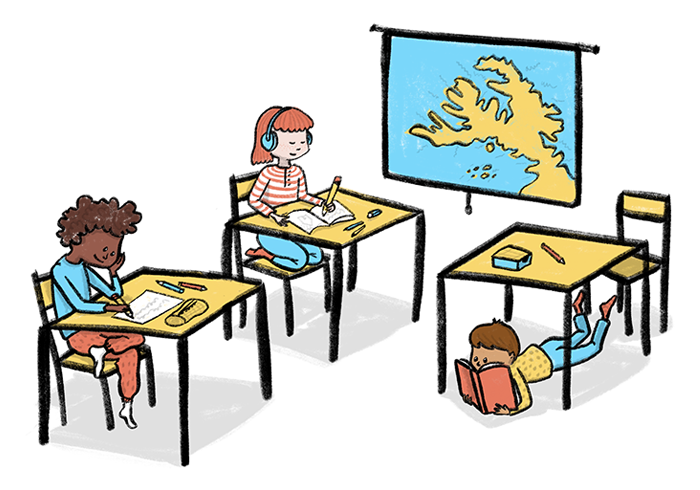
Explanations of Icelandic holidays and traditions. Iceland has 16 official holidays per year, plus various festive days that are celebrated in different ways.
Þorrablót
Þorrablót was a festival in ancient times when Icelanders made sacrifices to Thor, a god in Norse paganism. Today, Icelanders celebrate Þorrablót during the same period to honor the month of Þorri, which was part of the traditional Icelandic calendar. In the old days, the year was divided into two seasons: summer and winter. Þorri was the fourth month of winter, spanning from Jan. 19-25 to Feb. 18-24.
The first day of Þorri was Husband's Day. Icelanders celebrate Þorri by eating traditional winter foods that were the only provisions available during the winter months. The food typically consisted of fish and meat preserved in salt and acid.
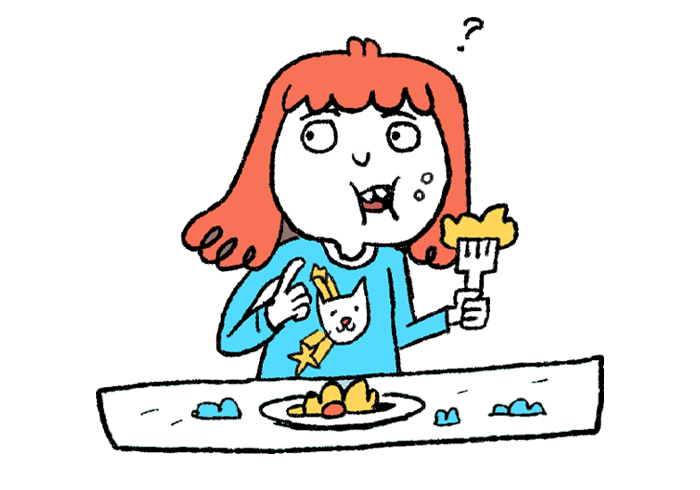
Today, Icelanders celebrate Þorri with festive gatherings featuring singing, dancing and consuming foods that many find unappetizing. These include blood pudding and liver sausage (collectively called slátur), singed sheep's heads (svið), fermented shark, and sour ram's testicles. More conventional foods include rye bread traditionally baked using geothermal heat, skyr, smoked lamb, and dried fish with butter.
Husband's Day
The first day of the month of Þorri in the old Norse calendar is called Husband's Day. It always falls on a Friday in the 13th week of winter. A tradition has developed where women give their husbands flowers or small gifts on this day.
Women's Day
Women's Day is the first day of the month of Góa in the old Norse calendar, falling on the Sunday of the 18th week of winter between Feb. 18-24. The tradition is for men to give women flowers to mark Women's Day.
Bun Day
In Iceland, it's customary to eat buns that are either choux pastry or yeast buns filled with various creams and jams. A strong tradition exists of crafting Bun Day wands, typically made of colorful paper strips glued to a stick. Children would then spank their parents with the wand and shout, "Bolla!" Bolla! Bolla!
Bursting Day
Most Icelandic households traditionally cook "Saltkjöt og baunir" (salted meat and split pea soup) on this day.
Ash Wednesday
Children traditionally dress up in costumes and sing for people in exchange for candy on this day. Hanging ash bags on people is a tradition in Iceland, with the goal of attaching the bags without being noticed by the target.
Easter
The Easter holiday is rooted in the Christian faith. The last Sunday before Easter is called Palm Sunday. The Thursday before Easter is called Holy Thursday, followed by Good Friday, which is a public holiday. Easter Sunday falls on a Sunday, when children and adults eat chocolate called Easter eggs (or páskaegg).
First day of summer
First Day of Summer marks the first day of Harpa, the first of six summer months in the old Norse calendar. First Day of Summer always falls on a Thursday between April 19 and 25. According to Icelandic folklore, a good summer lies ahead if summer and winter freeze together. In recent years, municipalities have increasingly organized various celebrations for children and families on this day.
Fishermen's Day
Fishermen's Day falls on the first Sunday in June each year. It's a celebration day for all fishermen. Most municipalities celebrate this day with entertainment programs at their harbor.
June 17th
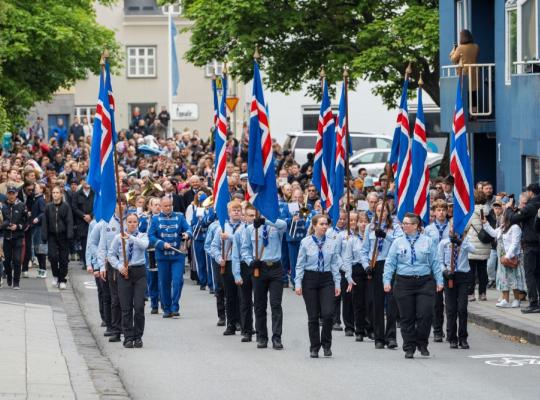
Iceland's national holiday is celebrated ceremonially on June 17 each year. It's the birthday of Jón Sigurðsson and a public holiday.
On June 17, there's a diverse celebration program to commemorate the founding of the Republic of Iceland on June 17, 1944.
Commerce Weekend
Commerce Day is the first Monday in August. It creates a three-day weekend called Commerce Weekend (verslunarmannahelgi). Commerce Day was originally just for merchants, but this three-day weekend became very popular as a general travel weekend and the Monday is now a legal holiday. The weekend is one of the year's biggest travel weekends, and diverse outdoor festivals are held throughout the country.
Mass of St. Thorlac
Mass of St. Thorlac is on Dec. 23. It's named after St. Thorlac Thorlacsson, bishop of Skálholt, who died on this day. Today, Mass of St. Thorlac is part of Christmas preparations when many people eat fermented skate, and the smell of the Mass of St. Thorlac skate fills the whole town.
Christmas
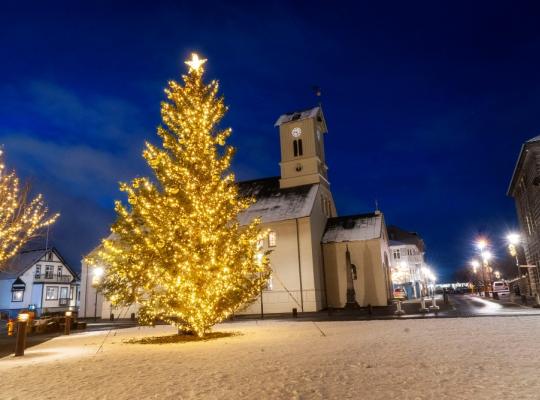
Christmas is celebrated on Dec. 24. Christmas is rung in at 6pm on Christmas Eve. Christmas dinner typically features meat dishes such as ptarmigan, smoked lamb or pork loin with side dishes. Most people spend Christmas Eve with family and open gifts after Christmas dinner. Christmas decorations are prominent throughout Iceland, and Christmas lights brighten the darkest winter days.
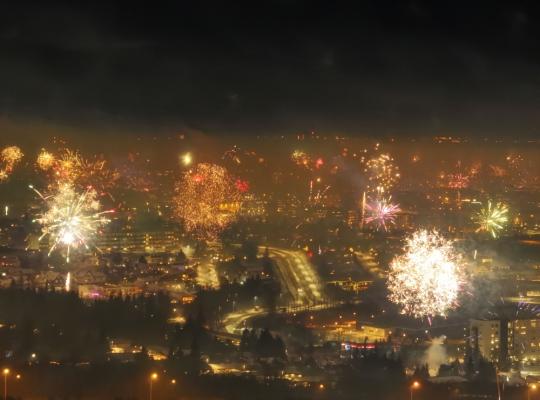
New Year’s Eve
New Year's Eve is the last day of the calendar year, Dec. 31, in Western culture. Many people reflect on the past year on New Year's Eve and celebrate the new year with parties and fireworks. Various traditions surround the celebration, and New Year's bonfires are common throughout the country.
