
Planning history of Reykjavík through the years
Finnur Kristinsson compiled a book that was extensively used in planning work. It was a basic document that was necessary to consult and reference. It contains information about all decisions and changes made in planning and building matters at Reykjavík City.
Knowledge and expertise on planning matters
Finnur Kristinsson worked in planning for Reykjavík City for 35 years before retiring due to age in 1993. "After working alongside Finnur as Head of Office and archivist for the decade we overlapped, it was clear to me that he possessed knowledge about planning matters and documents that would be lost with his departure," writes Þorvaldur S. Þorvaldsson, Reykjavík's planning commissioner in 1995. He hired Finnur part-time to compile a draft planning history of Reykjavík.
Planning history
This is not a formal historical account, but an invaluable data bank. It first covers the background of city planning, then traces the progress of each issue after formal planning processes and a planning committee were established.

Preserving history is essential
The steel cabinets that stored the planning drawings Finnur managed are still held by the Reykjavík Municipal Archives, along with most of the drawings. The Municipal Archives also maintains other planning drawings, many now accessible digitally. Some drawings in Finnur's book needed to be photographed, which was done by his granddaughter, photographer Íris Stefánsdóttir. It's concerning how these sensitive documents are stored unregistered in inadequate containers and environments. The historical value contained in them should not be lost. These old drawings need to be moved to more permanent and better storage. It would be interesting to create historical exhibits with drawings and other materials tracing the planning history of different eras and individual neighborhoods.
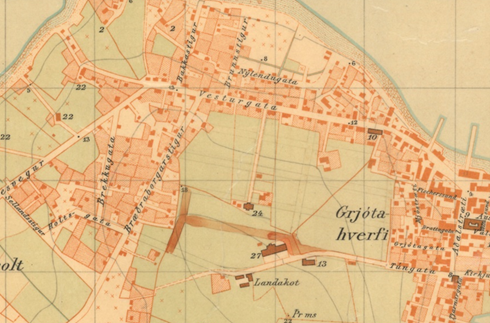
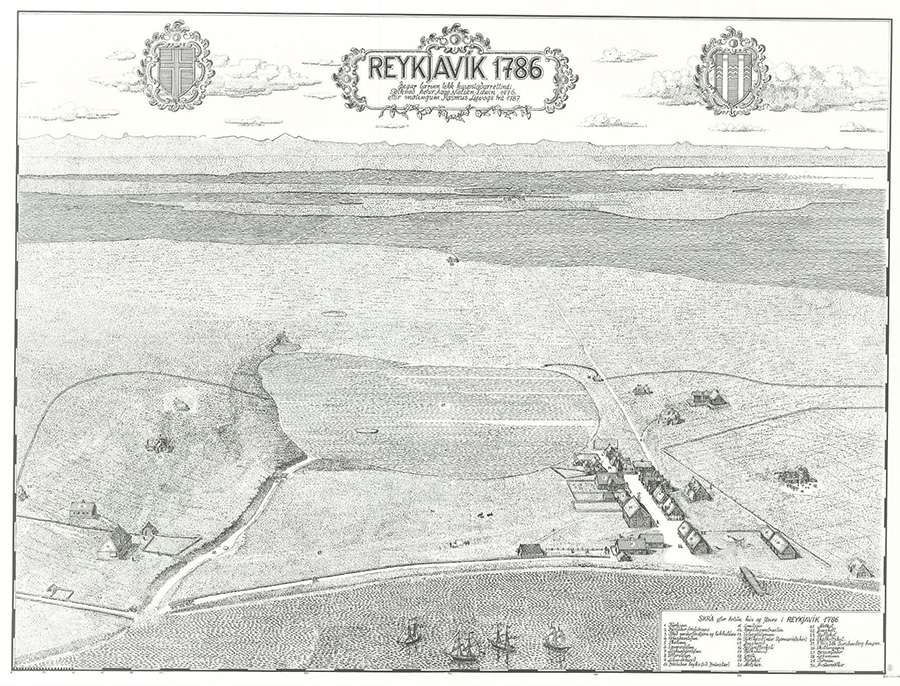
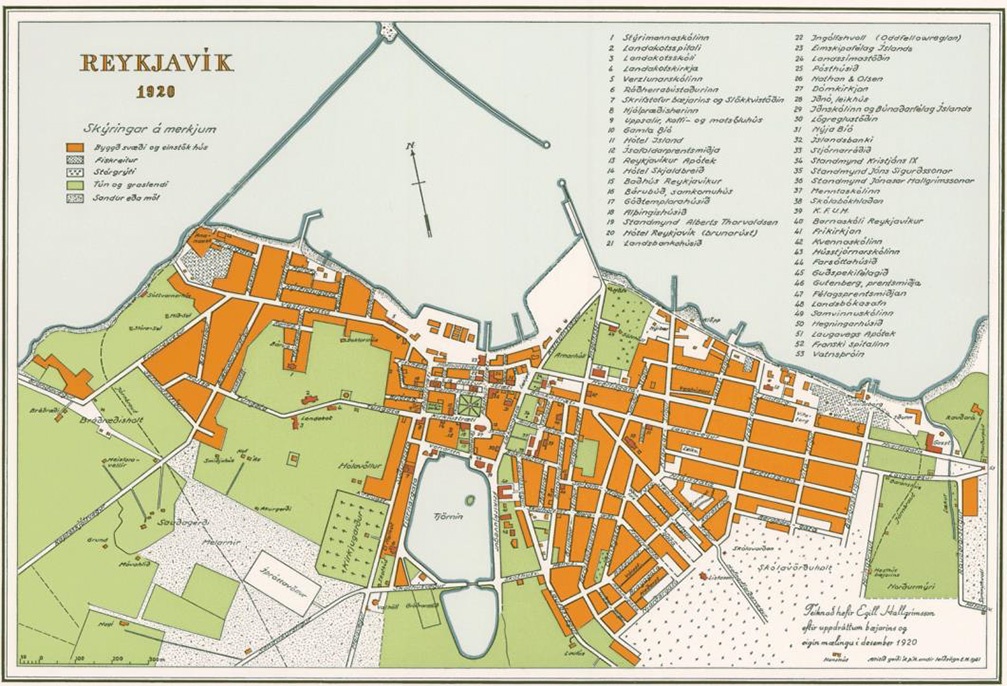
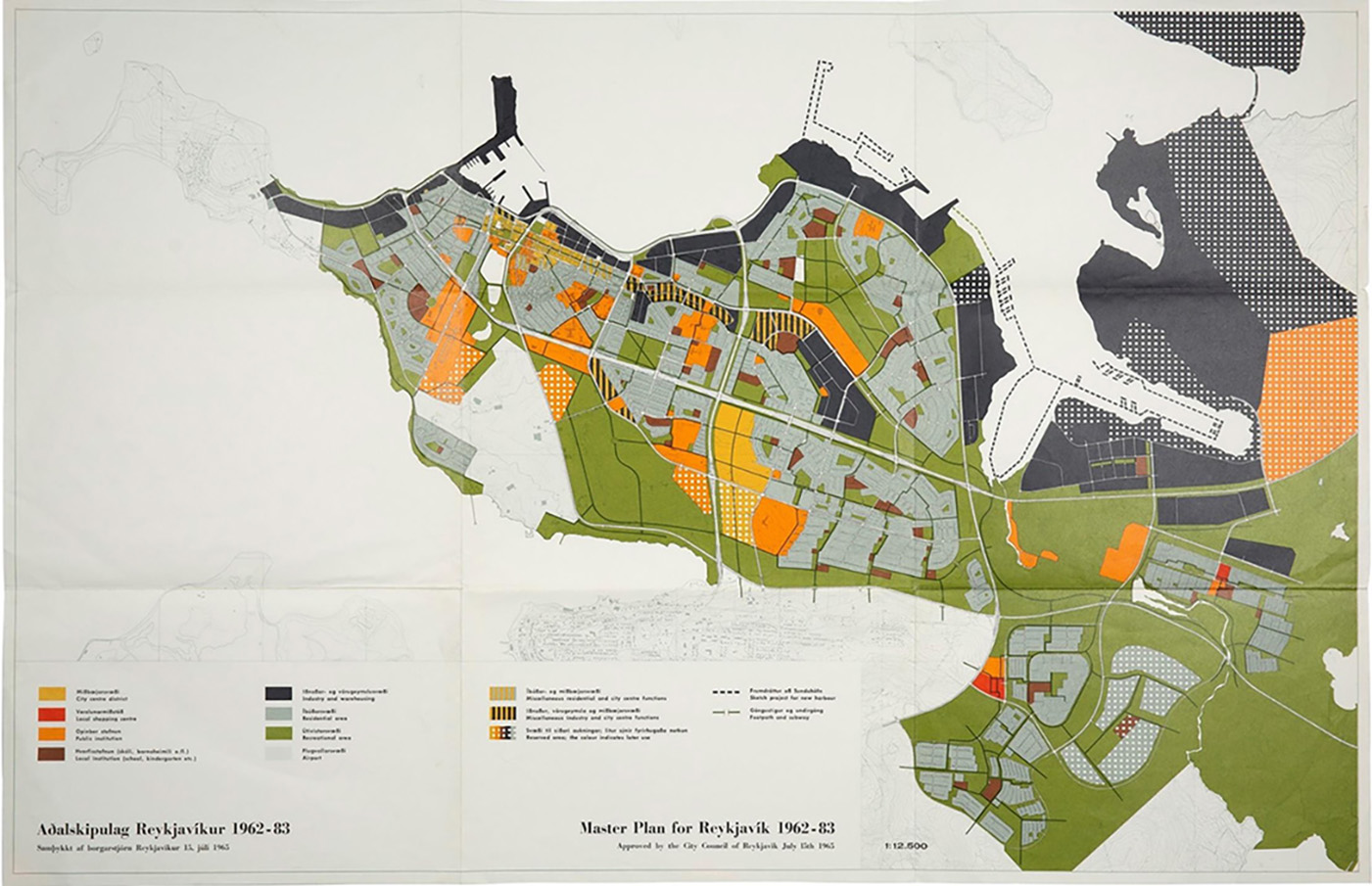
Drawings from the book on Reykjavík's planning history
The book was widely used in planning
Nikulás Úlfar Másson, architect and Reykjavík's building officer, served as project and Team Leader for the Planning Officer, Planning and Building Department of Reykjavík from 2001-2007. He says he was thrilled when he discovered Finnur Kristinsson's work. "This work saved us a lot of effort, as everything was compiled in one place, all we needed to reference daily," says Nikulás Úlfar. He had 10 copies made and distributed to planning staff.
Finnur's compilation became a fundamental tool, constantly referenced for current Reykjavík planning as they didn't have a digital planning map in those years. "This simplified decision-making for ongoing planning work," he says.
Finnur finds everything
Helga Bragadóttir, architect and former Reykjavík Planning Officer, began working on planning issues for the City in 1979 as a summer employee at the Reykjavík Development Agency, later Reykjavík City Planning. The director then was architect Guðrún Jónsdóttur, who led city planning until 1984, when architect Þorvaldur S. Þorvaldsson took over. Finnur Kristinsson was Head of Office at that time.
Helga remembers Finnur well. "I often consulted Finnur himself, who had 'systematized' all the large drawings and plans and organized them accessibly in three large steel cabinets. Finnur oversaw these cabinets and the storage of documents where all drawings were kept," says Helga. "He had it all in his head and knew where to find every document."
She adds that Finnur was a true aesthete with a beautiful teak desk where he worked, always elegantly dressed and using a fountain pen! He had a great interest in history and Helga enjoyed chatting with him. The saying was "Finnur finds everything" when asked about terms and planning drawings.
She quotes Þorvaldur S. who said they needed to "trap" Finnur's knowledge before he retired. Finnur compiled all the data in the "red book with the spirals" which now appears online as a draft planning history. The book contained all approvals from planning committees and the City Executive Council, and photos of the drawings. "This book was very important for work in the office before digital records came along."
"After the Planning Act was passed in 1997, the demand for detailed planning became stronger and in those years the red book was exceptionally useful and a good source," says Helga, who was head of detailed planning and director of case processing at City Planning, before becoming Reykjavík's Planning Officer in the Planning and Building Department, a position she held from 2002 to 2007, until she started working at Kanon Architects.
Finnur Kristinsson's work
Finnur was born in 1919 and retired in 1989. He passed away in November 2009. After studying technical theater at the State University of Iowa in 1943 and 1944, he began working for the Reykjavík Theater Company and the National Theater, as well as journalism for Þjóðviljinn and Vísir.
Finnur started as a draftsman in planning in 1958 but was Head of Office at City Planning when he retired. He also oversaw the archives. He became a key figure in city planning and was often consulted for information. Zóphónías Pálsson, State Planning Director (1954-1985), relied on his knowledge in these matters.
Finnur was secretary of the planning committee for many years. At the beginning of the book, he compiles all the main planning drawings of the city and their background, and traces all approvals until 1993, but the first planning drawings in Reykjavík were made around 1919.
Finnur compiled all this in a book that was extensively used at work. It was a basic document that was necessary to consult and reference. It contains information about all decisions and what was changed.
Stefán Agnar Finnsson prepared the material for publication
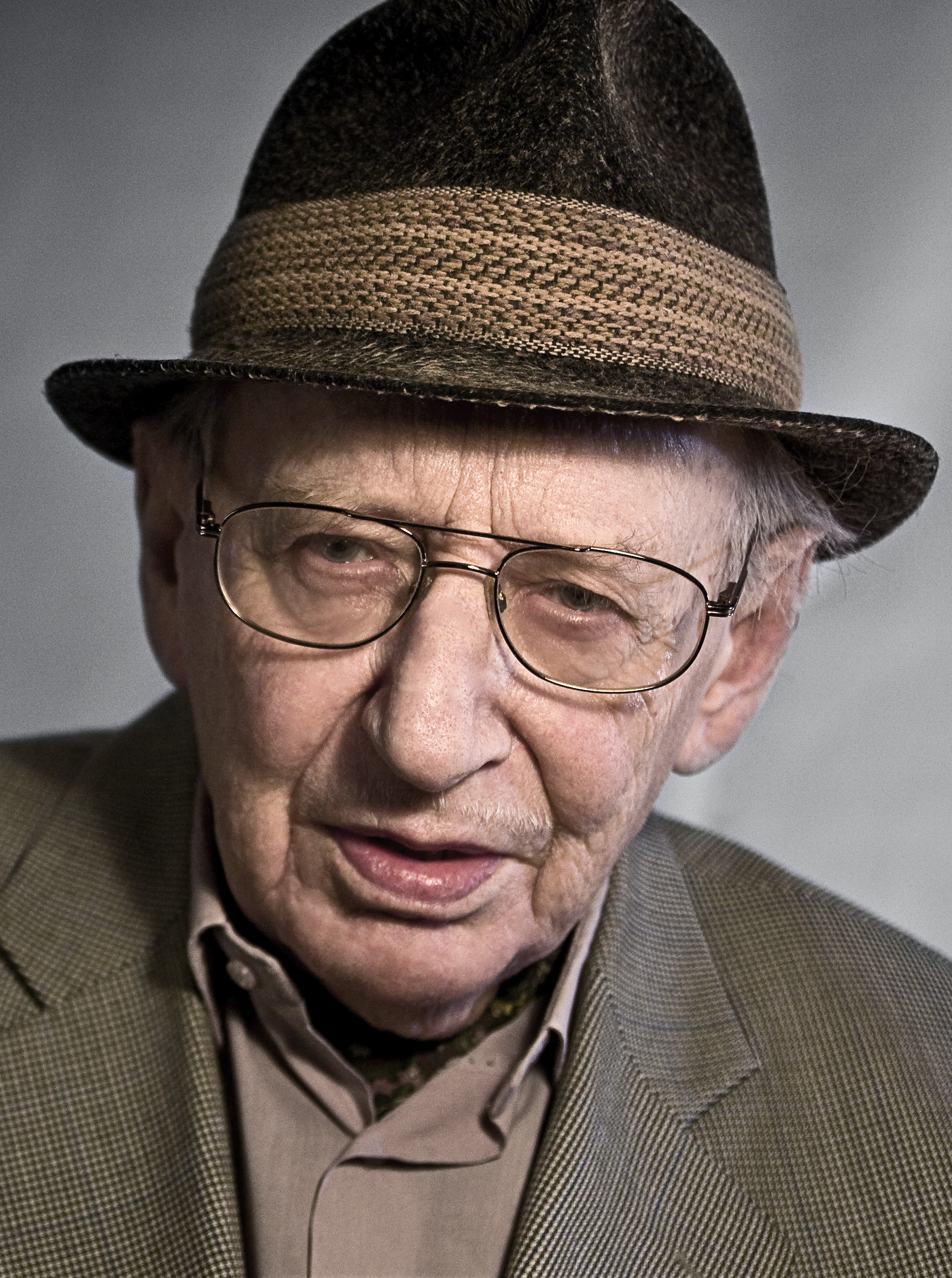
Finnur's son, Stefán Agnar, took on the task of preparing the book for publication on the City's website when he retired. Stefán had been chief engineer at the City Engineer's office and later transport director.
"There are many drawings in the work and I scanned all the color drawings I found and saved them in better quality," he says. "We think it's good to have the material accessible for the public, staff, and those interested in planning." It's possible to search the book and see when ideas for changes appear and which ideas were developed.
