
Virtual visits combat loneliness and enhance safety
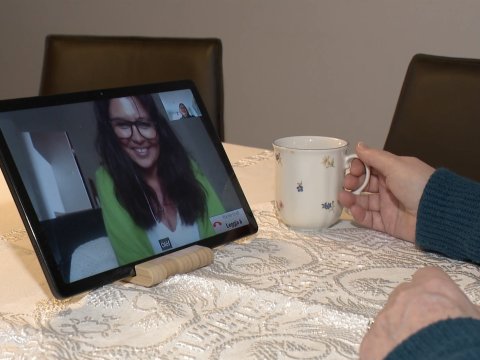
Most home care service users who experience loneliness say virtual visits reduce it — 79%. An overwhelming majority of virtual visit users believe the service increases their safety at home — 83%. This is according to a new survey on virtual visits for home care services, which found high overall user satisfaction.
Looking forward to visits on the screen
Home care services include both home support and home nursing. Virtual visit service users receive a free tablet at home that is used exclusively for video calls. The tablets are simple to use, and most people can learn to operate them.
The survey was conducted by the quality assessment team at Reykjavík City's welfare department. All 56 respondents rated the service as both good and professional. Twelve respondents specifically mentioned that receiving virtual visits made them feel safer since they live alone. "Safety in receiving the visits because I live alone," said one, and another said: "I feel safer when I know someone will call me."
Eight respondents mentioned that receiving virtual visits provided social and emotional support. "It's good to know that someone is looking after me and cares about me," one respondent said. Another found it difficult at first to accept virtual visits but now appreciates receiving them: "I've isolated myself from everything. It was difficult at first, but now I look forward to getting visits on screen. It's good to talk to people I don't know."
"I wait excitedly to see them on screen"
Several questions in the survey focused specifically on loneliness and were directed at respondents who said they experience loneliness in their lives. Notably, most of them — 79% — agreed that virtual visits reduce loneliness. In comments on the question, people commonly mentioned that they found the visits pleasant, that they brought joy and made them feel better afterward.
Thrilled with the results
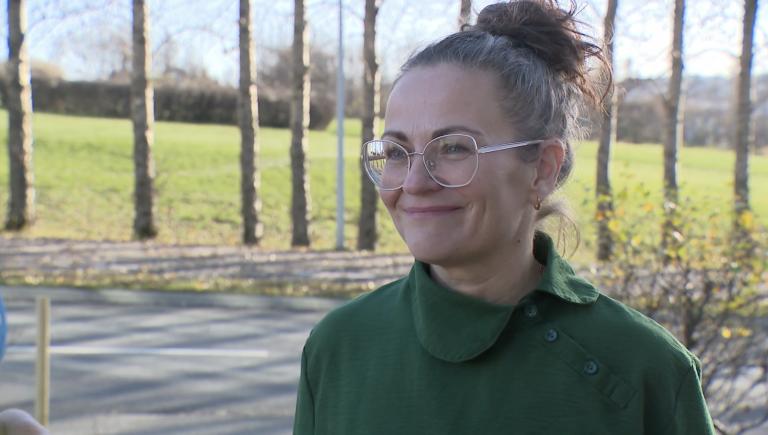
"We're thrilled to receive these results. It's wonderful to see that we're on the right track," says Ása Kolbrún Hauksdóttir, team leader at Reykjavík City welfare department's virtual service center. Virtual visits are just one of the welfare technology solutions already in use at Reykjavík City. Other solutions now being used include medication dispensers and remote monitoring of heart failure symptoms, where home measurement results are automatically sent to the virtual service center for review.
Reykjavík City's Department of Welfare places great emphasis on conducting regular service surveys, using the results to guide the department's service development. The survey aimed to examine users' experience with virtual visits, with emphasis on safety, service quality and user well-being. This was an anonymous phone survey, and 56 people responded. The 56 respondents represented nearly half of those registered for the service at the time of the survey; last summer, the total number of users was 128.
Some quotes from survey respondents:
"I sit down with my coffee cup in the mornings, very friendly."
"It brightens up the day, the check-in is good."
"Talking to someone who cares about you and thinks of you. That's important. They're making an effort to ensure you feel good."
"Social support. It pulls me out of this hole I've dug myself into."
Results support plans to increase users
Reykjavík City started a pilot project with virtual visits during the first wave of Covid-19 about five years ago, and they were immediately well received by both users and staff. The Icelandic innovation company Memaxi is behind the virtual visits, and its role is to connect those who need long-term assistance in daily life with their families and service providers.
Today, more than 100 people receive virtual visits regularly, either from home nursing or home support. Ása says the survey supports plans to increase the number of people using virtual visits. "We want to be creative in ways to serve residents in the best possible way. There are various possibilities in virtual visits and remote monitoring that we need to explore further. In home support, we're addressing the social aspect. By using virtual visits there, we often have the opportunity to give people more time for conversation and more, since we don't need to drive between locations."
Screen-based communication can be meaningful and rewarding
Ása encourages people who think they could benefit from virtual visits to apply for home support on the Reykjavík City website or call 411 1111. People who already receive home care services but haven't used the virtual service can get more information from staff. "We encourage everyone to explore this option with an open mind. It's amazing how meaningful and rewarding the conversations can be through a screen," says Ása.
