Cohousing communities
Reykjavík City has launched an idea competition for cohousing communities on selected lots across the city. The goal is to support the development of housing cooperatives to strengthen resident cooperation, participation, shared use, and strong connections to the urban environment.
Why a cohousing community?
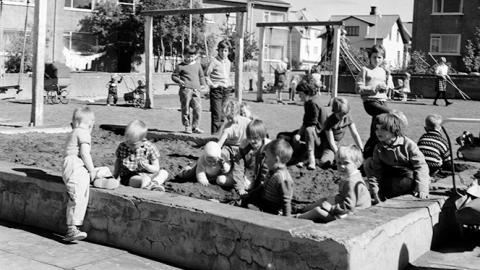
During the 20th century, many well-designed multi-family residences were built in Reykjavík with shared spaces as an essential part of their overall planning. Many projects included dedicated community rooms, recreation rooms, and playrooms for residents. Elsewhere, large courtyards with garden plots and supervised playgrounds for children were common—and some high-rise observation floors even featured shared laundromats and steam rooms for residents.
Today, the emphasis on resident cooperation and shared spaces has largely faded, and decisions about interior layout, common areas, lot use, and more are often made without input from future residents. This raises key questions about how residential planning can better support residents' connections to their homes, each other, their neighbors, and daily life in the city.
Teams sought
Reykjavík City is seeking interested teams to help shape the cohousing community concept in Reykjavík.
Application
Reykjavík City procurement portal—application form for cohousing communities
The application deadline is 11:59 p.m. on June 16, 2026.
Inquiries
All inquiries must be submitted through the Reykjavík City procurement portal. Inquiries received through other channels will not be answered.
Competition documents
-
Introductory brochure covering the competition, lot descriptions, and requirements.
What is a cohousing community?
The cohousing community concept is rooted in the idea that housing provides not only private space for individuals but also a setting for social connection and a foundation for community infrastructure. Well-designed shared spaces are the clearest manifestation of this housing model, serving as a starting point for interaction and social connection—both within the building and out in the wider city.
Each cooperative has its own priorities, a philosophy reflected in the project's design focus on its location and sense of place. In shaping cohousing communities, residents have real influence over the design and development of their homes and share collective responsibility for operations and long-term growth. Ownership is generally held by a nonprofit organization of which residents are members. Membership grants the right to residency and participation in decisions about the cooperative's direction and long-term development. Reykjavík City's key priorities are outlined in the evaluation criteria, which will be the basis for assessing proposals.
Domestic and international models
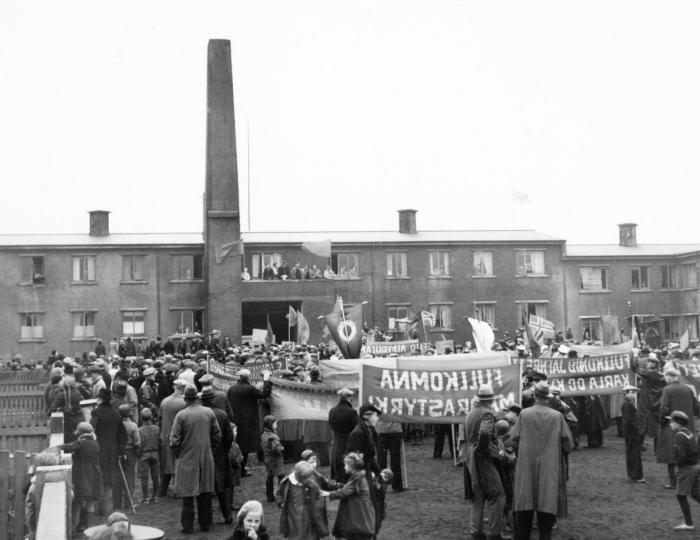
Today, cohousing communities and similar living arrangements are widespread in other countries but have not yet taken hold in Iceland. This pilot project initiative asks what a Reykjavík cohousing community might look like today, drawing on the city's housing history and recent international examples.
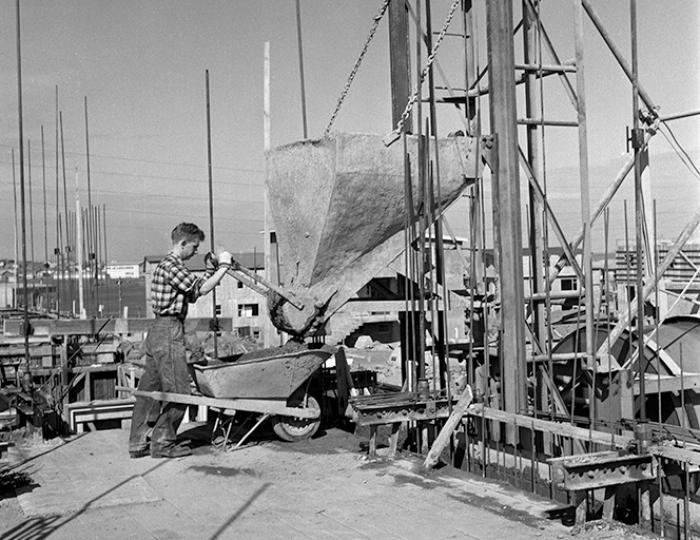
Cohousing communities have much in common with the cooperatives that operated in Reykjavík during the 20th century, where collaboration and active resident participation were essential to their development. Shared spaces were the clearest manifestation of that model, forming the foundation for interaction and collective activity—both within the building and out in the city.
Two lots
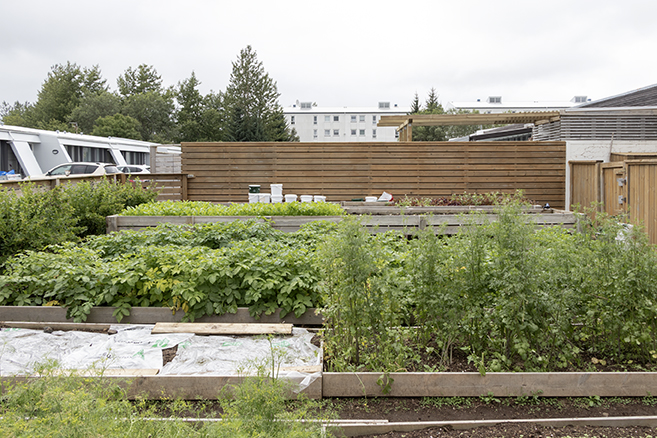
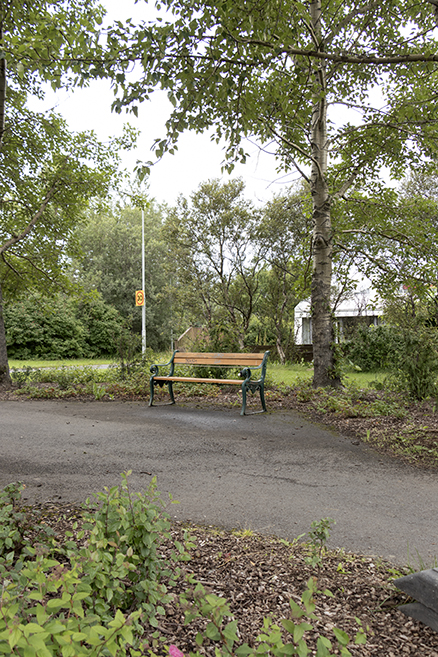
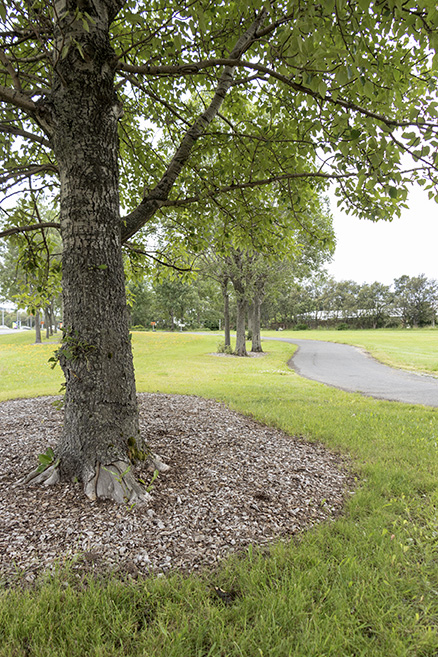
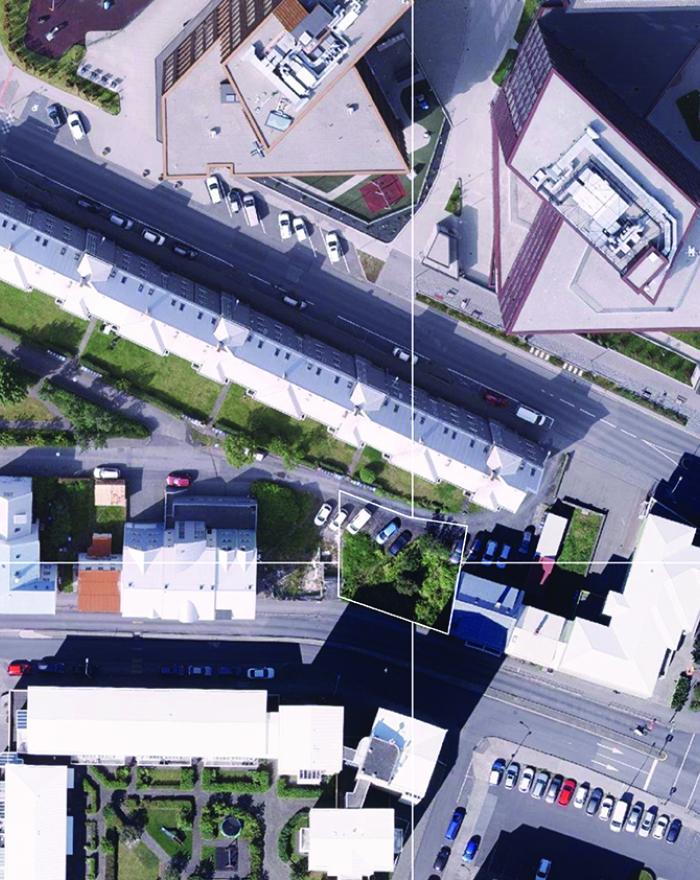
Two lots have been selected for the project: Laugavegur 159 and Yrsufell 2a–2i. Lot descriptions can be found in the competition introductory brochure.
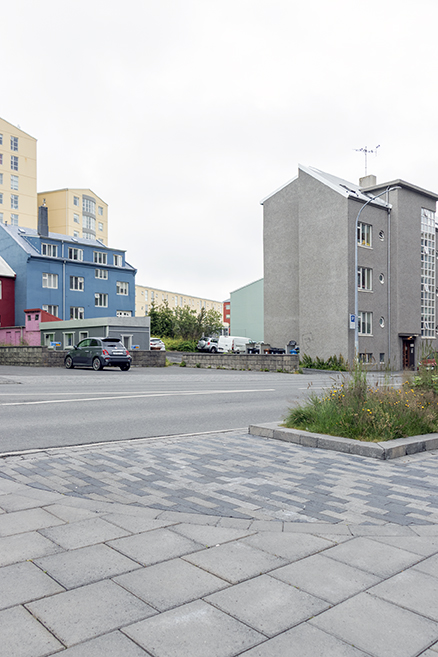
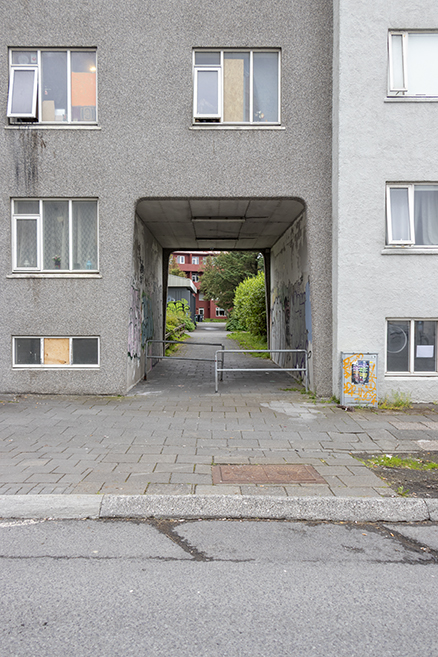
Laugavegur 159
Current use: Vacant lot
Planned use: Residential units, studios, retail, and service space
Lot size: 333
Maximum building volume: 650
Maximum Floor Area Ratio: 1.95
Maximum number of floors: 2 floors + basement, attic
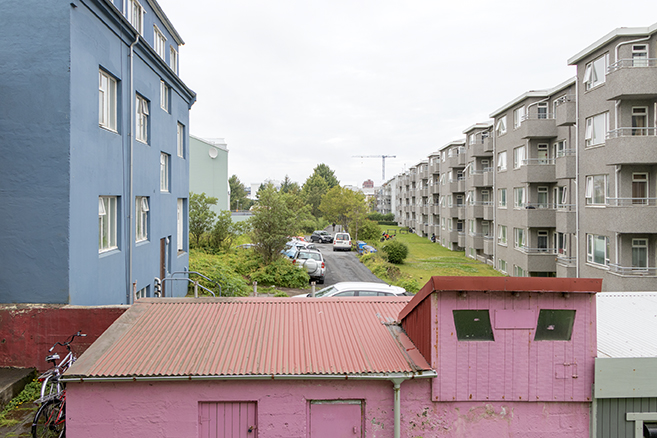
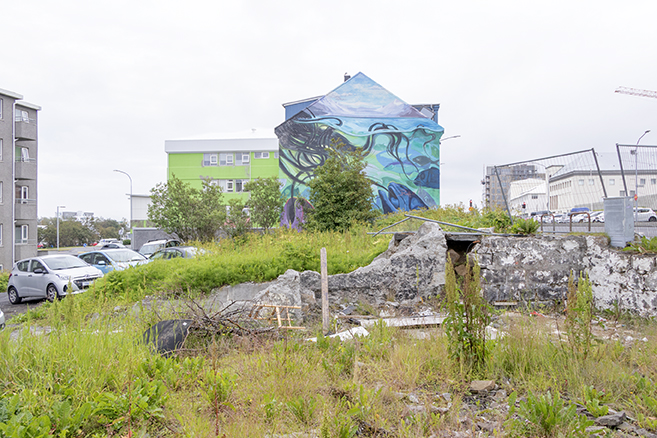
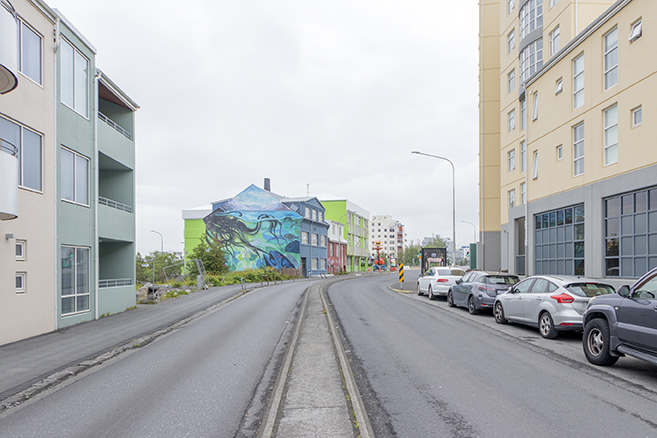
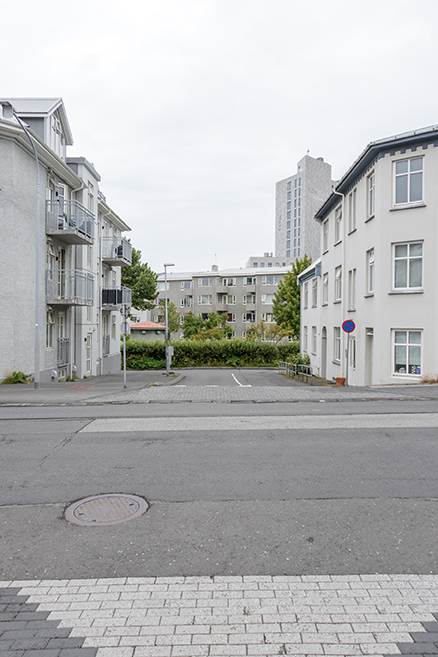
Laugavegur—photos
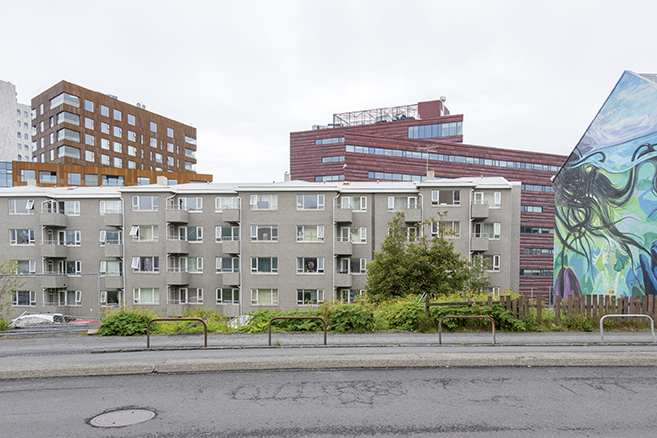
Yrsufell 2a–2i
Current use: Vacant lot
Planned use: Homes
Lot size: 2245
Maximum building volume: 1395
Maximum Floor Area Ratio: 0.62
Maximum number of floors: 1 floor + attic
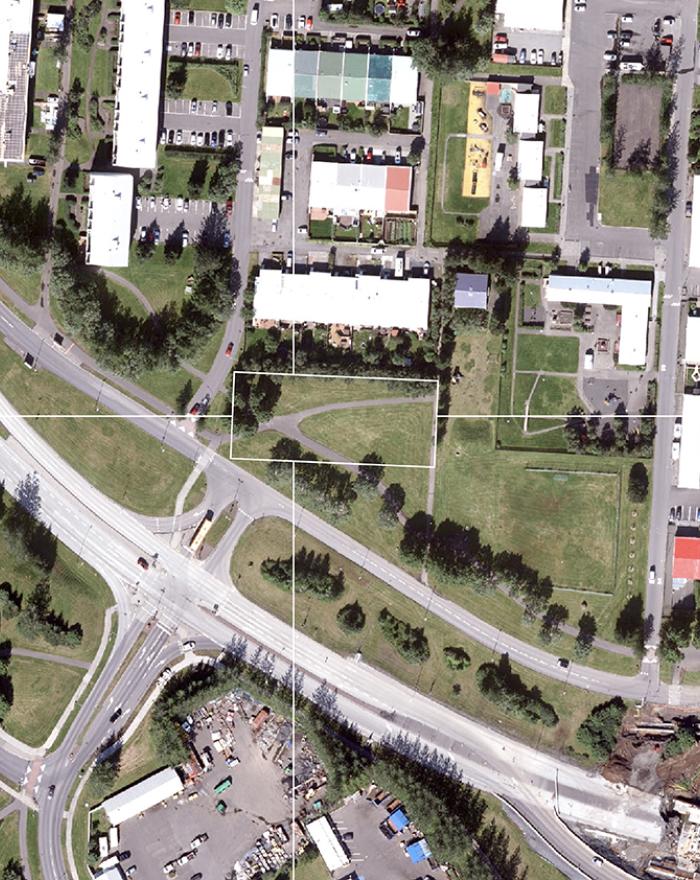
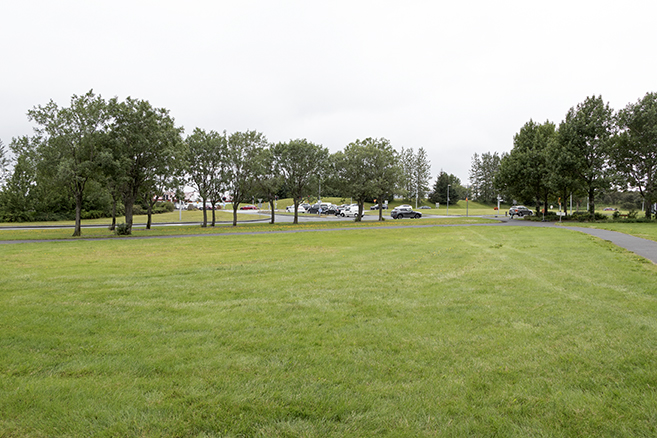
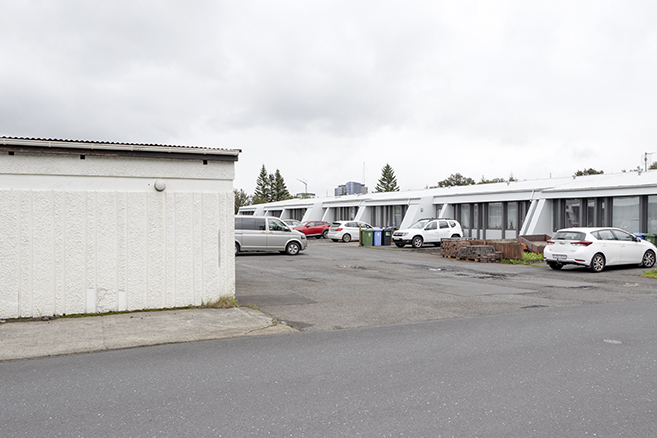
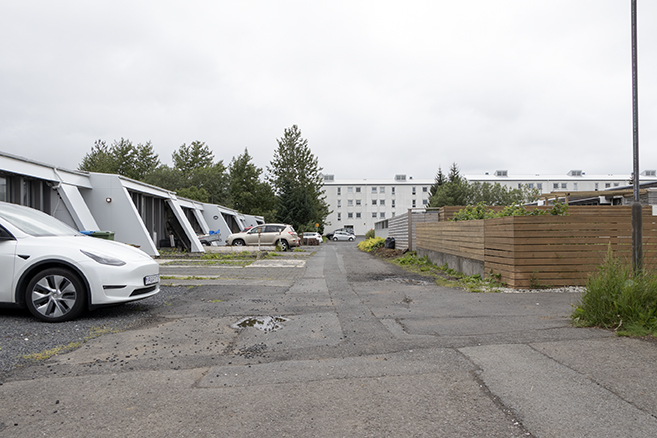
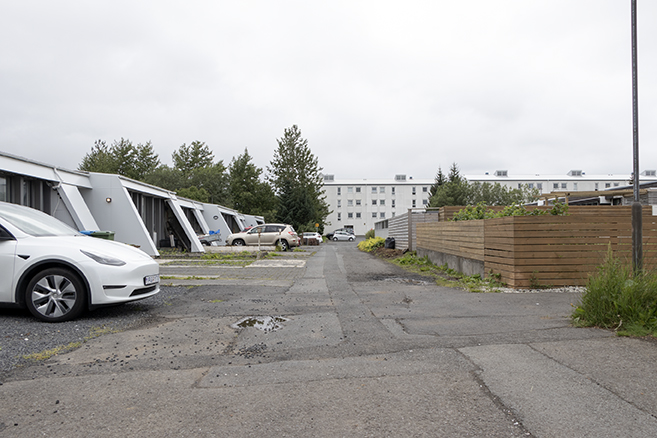
Yrsufell—photos