
Giant hogweed in Reykjavík

Giant hogweed plants are large, invasive species that crowd out other vegetation and can cause severe burns. That's why Reykjavík City wants to control their spread. This guide covers how to identify these plants, what dangers they pose and the best ways to get rid of them.
If you see hogweed on city land, submit a report through the City’s online suggestion portal.
Images
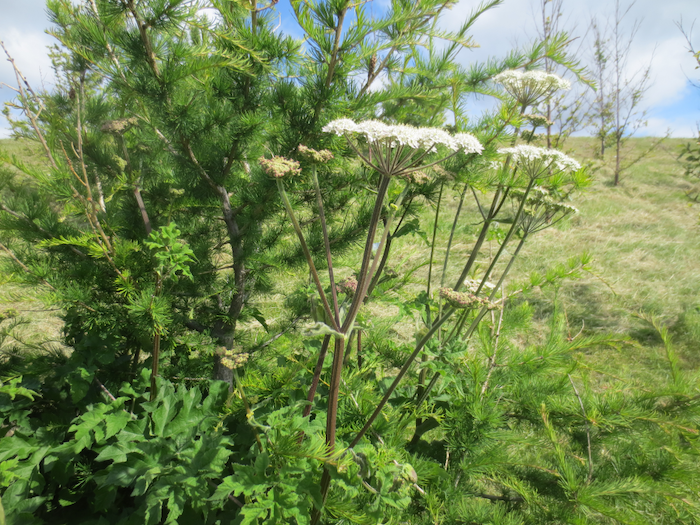
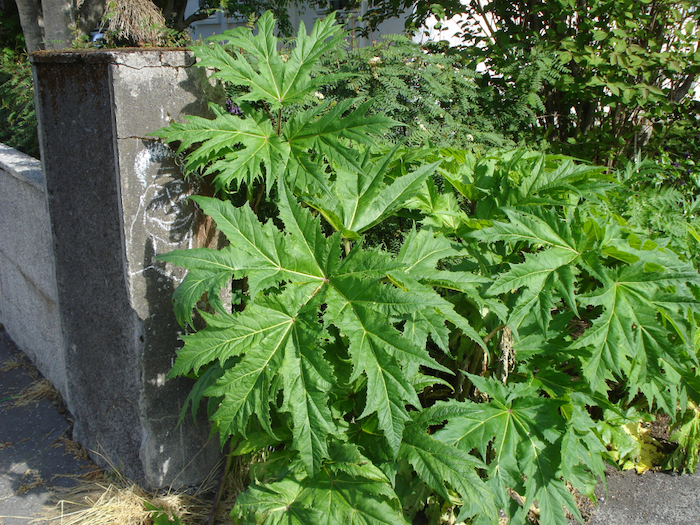
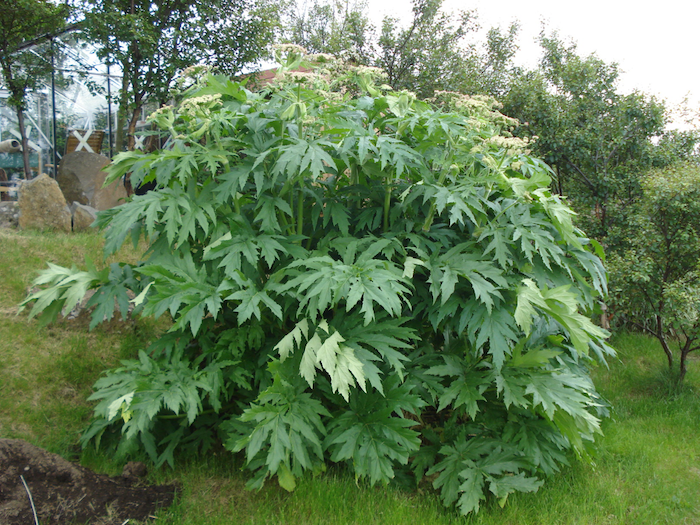
How do I identify giant hogweed?
Hogweed includes several tall, perennial plants that resemble edible species like angelica or goutweed, but are usually much larger and more hazardous. Though once popular in gardens, it's now illegal to import or cultivate hogweed species in Iceland.
Three types
Three types of hogweed are found in Reykjavík:
Giant hogweed (“bjarnarkló” or Heracleum mantegazzianum) is the most common species. It usually has a single flower stem and can grow up to three meters tall. Its leaves are extremely large and deeply serrated.
Persian hogweed (“tröllakló” or Heracleum persicum) is less common and more delicate than giant hogweed, but it also grows taller than two meters. It often produces more than one flower stem. Its leaves are more finely divided than those of giant hogweed, and the leaf edge teeth are rounded. Persian hogweed can vary in appearance, so it’s not always easy to distinguish it from giant hogweed.
Common hogweed (“húnakló” or Heracleum sphondylium) is the most delicate of the hogweed species and is often considerably smaller. It’s usually under 2 m and found mainly in Vesturbær, with some presence in Grafarvogur and Breiðholt.
What's the best way to get rid of hogweed?
Hogweed can be removed safely. Always wear gloves and full-coverage clothing to avoid skin contact with plant sap. Eye protection (safety glasses or a face shield) is essential, especially when handling large plants. The best method is to carefully cut the plants down and dig them up with their roots, or drive a spade through the root system.
Avoid using string trimmers, which can spray sap. Do not work in direct sunlight, as sunlight increases the risk of skin burns from the sap. It's recommended to cut off flower heads before they produce seeds if you're not going to remove the plants completely. Monitor the area for several years, as hogweed can regrow.
What is the risk?
The sap in hogweed stems and leaves is toxic. It contains chemicals called furocoumarins that are found in high concentrations in hogweed.
These chemicals activate in sunlight and can cause skin burns and leave permanent scars. The sap can also cause visual impairment if it gets in your eyes.
If plant sap contacts skin
If the sap contacts your skin, burns can develop, especially in sunlight. Contact with the sap is painless at first, but burning starts about 15 minutes later. Most people are most sensitive 30 minutes to two hours after contact. After about 24 hours, redness appears on the skin and later swelling or blisters develop. The burn can cause permanent scarring and a condition called photosensitivity that can make skin sensitive to sunlight for years.
It's important to rinse the affected area thoroughly, wash with mild soap and protect from sunlight for at least two days.
What should you do with the cut plant?
The plant should be placed in a plastic bag and taken to a recycling center like Sorpa as garden waste. Notify staff that the waste may be harmful due to its potential to cause burns.
