Reykjavík's first walkability policy
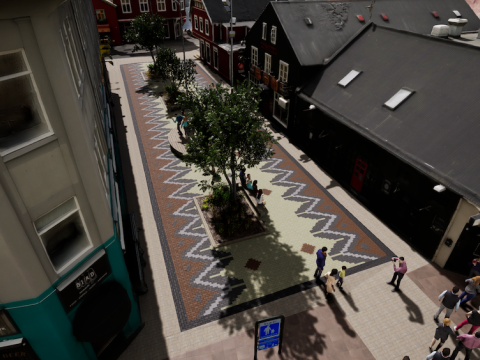
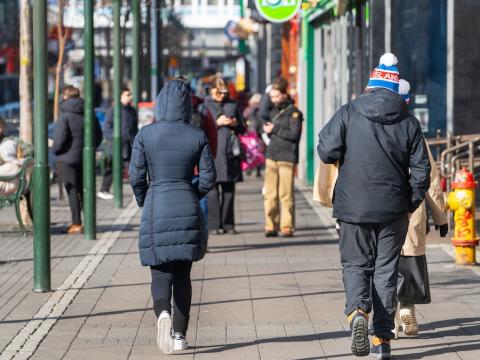
Reykjavík City has adopted its first comprehensive walkability policy, Walkable Reykjavík 2036, alongside an action plan running through 2031. This policy marks a major advancement toward building a safer, more sustainable, and people-friendly city for all residents.
Placing pedestrians clearly at the forefront, this initiative represents a milestone in the city's development. As the introduction states, the goal is "for walking to be a safe, accessible, and attractive option for everyone, regardless of age, ability, or where they live."
More people want to walk
Travel surveys show that residents are far more interested in walking than current usage reflects. While about 25% of residents would like to walk to work, only 13% currently do so. This gap suggests that better conditions, clearer connections, and safer walking routes could tap into that latent demand, making walking a viable choice for many more people.
"Reykjavík has a very high rate of car use compared to other European capitals, while its share of pedestrian trips is lower than in many other places. This reflects historical patterns in the city's development and transportation planning. However, targeted changes to the urban environment can reverse this trend," the policy states.
The Reykjavík Municipal Plan 2040 targets having at least 22% of all trips made on foot by 2030, with active travel modes accounting for over 50% of all trips by 2040. The Walkable Reykjavík 2036 policy is an important part of that effort.
Activity, safety, and experience
Three interconnected priorities shape the Walkable Reykjavík policy, forming a comprehensive vision of a city that puts pedestrians first.
The first pillar emphasizes activity and connectivity. It prioritizes building a continuous, efficient, and well-defined network of walking routes to connect homes, schools, workplaces, services, and public transportation. Shorter distances and better connections will make walking a practical choice for everyday errands.
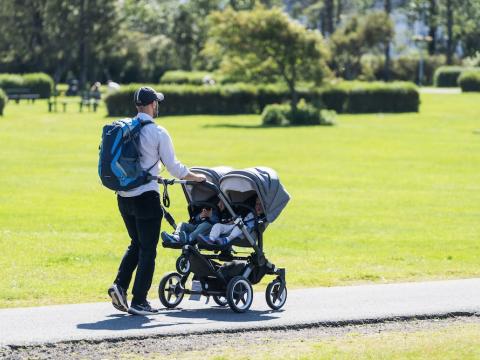
Safety and accessibility define the second pillar. The goal is to create an environment where everyone can move through the city safely and accessibly, regardless of age or ability. The policy pays particular attention to children, seniors, and other vulnerable groups. Better lighting, safer pedestrian crossings, and clearer design guidelines will help everyone feel confident getting around on foot.
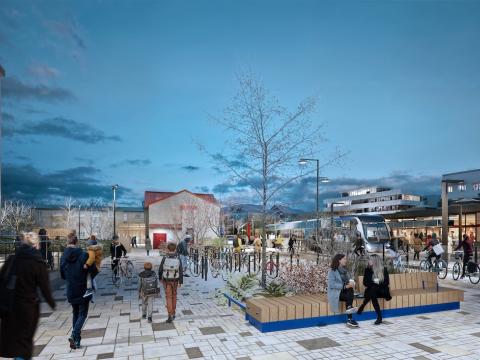
The third pillar focuses on the overall experience and quality of urban spaces. Walking should be an enjoyable, pleasant experience rather than just a practical way to get around. Prioritizing greenery, shelter, gathering spaces, and human-scale urban design will make the urban environment more beautiful and inviting, deepening residents' sense of community and connection to their surroundings.
Action plan through 2031
The action plan outlines a wide range of projects to improve walking connections, safety, and the overall pedestrian experience. These include:
- School partnerships to encourage more children to walk to and from school.
- Analyses of walking routes to bus stops and planned CityLine stations.
- Improved lighting on busy walking routes and safer pedestrian crossings, especially near schools.
- Reduced speed limits on residential streets and redesigned intersections.
- Expanded winter maintenance services and more clearly defined snow storage areas.
Consultation with international organizations
A steering group began developing the policy in September 2025, consulting with international experts like Walk21, an organization specializing in walkable city policy. In April 2026, the city published a draft of the policy on its Consultation Portal, receiving six official statements in response.
A clear vision for the future
The Walkable Reykjavík policy defines a clear vision for a city where walking is safe and easy. Through targeted initiatives and a coordinated campaign, the City will work to create an accessible, people-friendly urban environment that serves residents of all ages. The policy emphasizes that a well-maintained, accessible walking route network strengthens the city's fabric, appearance, and accessibility, and that improved conditions enhance safety and quality of life.