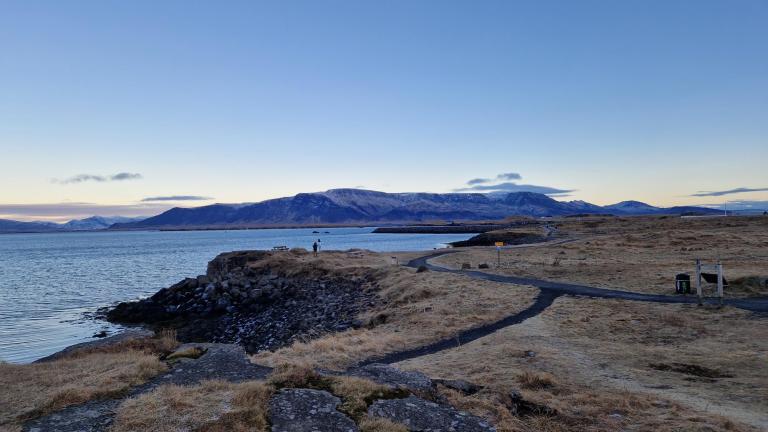
Laugarnestangi designated as a protected cultural landscape
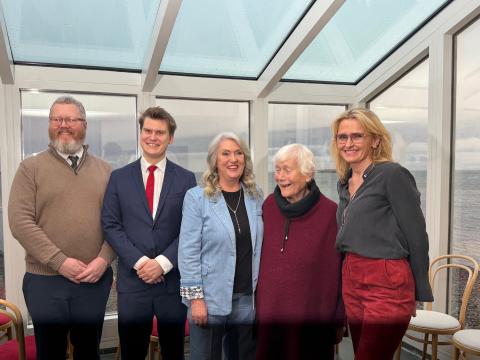
Minister of Environment, Energy and Climate Jóhann Páll Jóhannsson today finalized the protection of the cultural and settlement landscape of Laugarnestangi in Reykjavík under the Cultural Heritage Act No. 80/2012.
Key historic sites unified as a single cultural landscape
The designation aims to unify significant heritage sites at Laugarnes into a single cultural landscape, as these remains trace the area's development from its original settlement to the present day. Previous protections covered only part of the many archaeological remains found throughout the area.
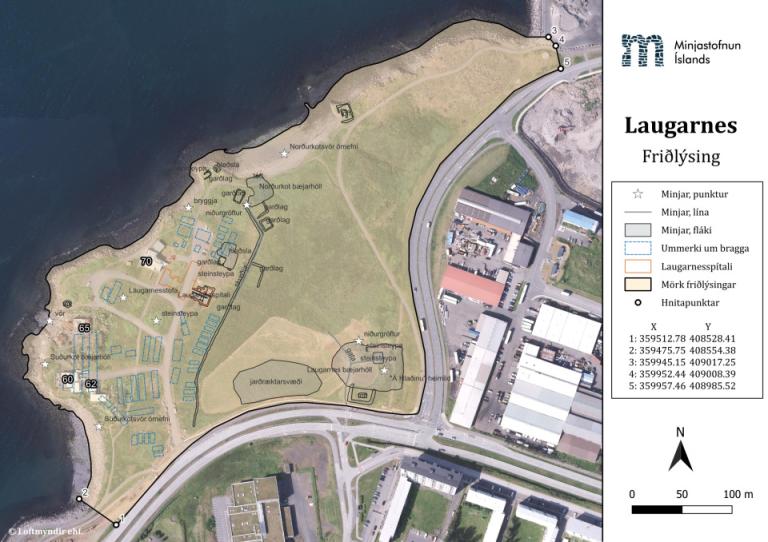
The designation covers the settlement and cultural landscape, including the site's appearance and settlement patterns, settlement remains, village mounds, cemetery, hayfields, cairns, other archaeological remains and war memorials. This move marks a significant step toward safeguarding existing cultural heritage in the area and any future discoveries. The area also serves as an important outdoor recreation area and features the only undisturbed beach left on Reykjavík's north shore.
The designation was made at the recommendation of the Cultural Heritage Agency of Iceland, which developed the plan in consultation with Reykjavík City, the owner of the land.
The justification for the designation notes that Laugarnestangi shows human impact on the environment from the beginning of settlement in Reykjavík through today. Laugarnestangi's cultural landscape plays an important role in Reykjavík's history and represents one of the few areas within Reykjavík City's urban area where visitors can experience such an intact cultural landscape. Visible remains from different periods in Iceland's history can be seen on the surface, including traces of a cemetery, village mounds and hayfields, as well as evidence of tenant farming and fishing activities at Norðurkot and Suðurkot. The area also contains remains of a bishop's official residence, a leper hospital and war memorials.
The protection includes several exemptions: all buildings within the area, moveable property on the grounds, and all underground utility infrastructure are excluded from the protection terms. The designation does not include a 100-meter buffer zone around the area, and the current 100-meter protection for the Laugarnes village mound and old cemetery will be discontinued.
Laugarnes has devoted supporters
"With this designation, we're seeing this through to completion," says Jóhann Páll Jóhannsson, minister of environment, energy and climate. "We are ensuring the future protection of Laugarnestangi's cultural heritage and settlement landscape. This shows that in a modern city, we can combine protection, access and quality of life. We're showing that nature and cultural preservation isn't about checking boxes – it's about taking responsibility, showing respect and preserving shared treasures for the future.
By protecting this area, we're demonstrating respect for our history and for the people who lived and worked here. This is cultural heritage we treasure, and those of us who govern the country and city are united in preserving it.
And to be clear: by protecting this area, we're not somehow locking it away. Quite the opposite. This designation is a management tool that ensures future generations have the same access to cultural heritage as we do, and that we do our best to preserve them in their own setting and maintain their condition."
"Laugarnes is fortunate to have devoted supporters," says Rúnar Leifsson, director of the Cultural Heritage Agency of Iceland. "Residents and other supporters of this area have advocated for its protection for years and strongly urged the designation that is finalized today."