The year in Pilot Cities
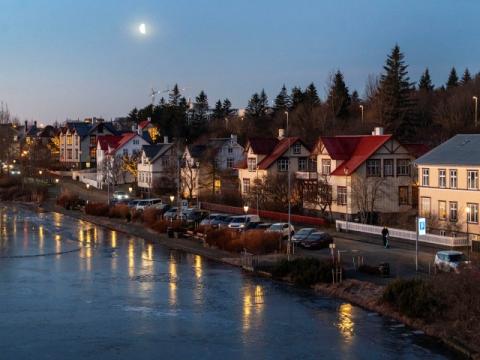
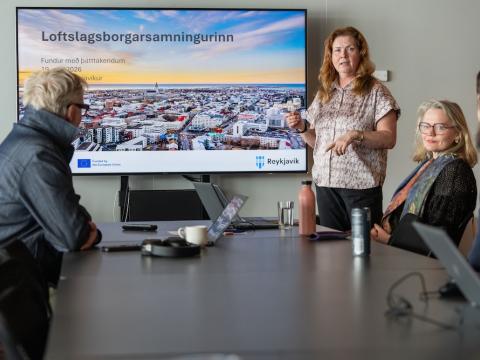
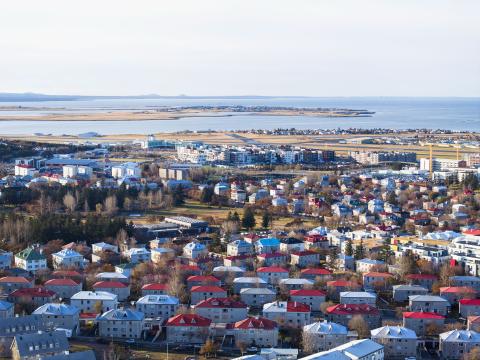
Pilot Cities is a two-year research and innovation project led by Reykjavík City that examines residents' and businesses' habits and barriers related to transportation and waste sorting. The project reached its halfway point during the fall months, making this an ideal time to look back on the first year's many accomplishments.
The project began with a survey asking residents about their habits and barriers related to transportation and sorting. Survey participation far exceeded expectations, and the results will help identify challenges residents face and pinpoint areas for improvement. This aligns with the project's main purpose: identifying residents' and businesses' habits and barriers to using green transportation and sorting systems, and developing, testing and evaluating methods and solutions that encourage new habits.
Carbon neutrality by 2030
Most importantly, the project supports Reykjavík City's goals of reducing greenhouse gas emissions and achieving carbon neutrality by 2030. Results from a workshop with participants in Reykjavík City's Climate City Contract were key to determining the first steps toward carbon neutrality by 2030.
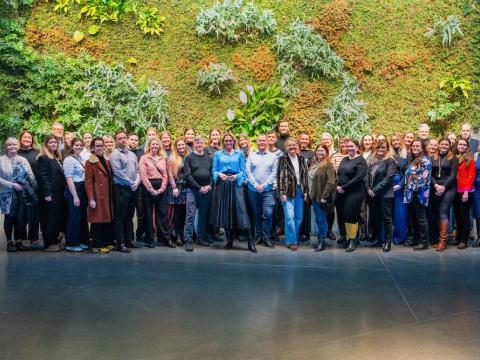
The project has emphasized collaboration between European cities to share knowledge. The project also shares the knowledge and experience gained with other cities. Reykjavík City was specially paired with Jakobstad in Finland as a "twin city."
Sustainability training day for teachers
A sustainability training day for teachers took place during the fall semester. The event was a pilot project and collaboration between the Department of Environment & Planning and the Department of Education & Youth. The day's goal was to increase awareness of sustainability issues and show diverse ways to address sustainability through creativity, critical thinking, active participation, arts and literature. About 300 teachers from seven schools — Vesturbæjarskóli, Austurbæjarskóli, Hlíðaskóli, Háteigsskóli, Hagaskóli, Grandaskóli and Melaskóli — participated in the training day, and it was well-received.
The project was a collaboration between the city and the University of Iceland, where faculty from various university departments led the workshops. They were Katrín Ólafsdóttir, assistant professor in the School of Education; Ole Martin Sandberg, postdoctoral researcher from the School of Humanities; and Auður Aðalsteinsdóttir, director of the University of Iceland research center in Þingeyjarsveit.
The discussion covered sustainability from the perspectives of climate change issues, United Nations Global Goals, equality, democracy, creative thinking, arts and literature, and how sustainability can be integrated into all subject areas.