
One in 10 comments about LGBT+ people online contains hate speech
Opposition to the LGBT+ community is growing online. These findings come from the Safer Queer Cities research conducted by Nordic Safe Cities for Reykjavík City. One in 10 comments about LGBT+ issues on social media contains hate speech, according to the research, which reveals that online discussions have become more contentious and polarized than before.
Safer Queer Cities
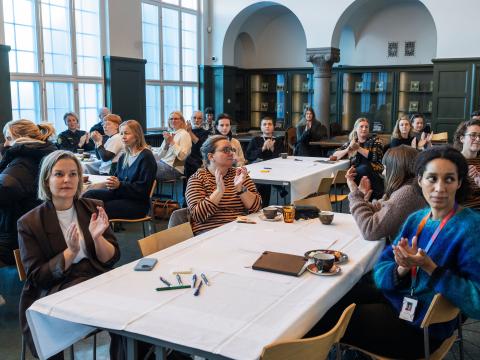
The Safer Queer Cities research findings were presented at a conference at the House of Collections today. The research is led by Nordic Safe Cities in partnership with Reykjavík City's human rights office and is funded by the Nordic Council of Ministers through NIKK – the Nordic LGBTI fund.
The research analyzes online discourse about LGBT+ issues. The research details various forms of hate and harassment, ranging from degrading comments to threats and cyberbullying that can cause dysphoria, reinforce harmful stereotypes, and spread misinformation about LGBT+ people. This newly released report is part of a larger project examining how online discussion affects the daily safety and wellbeing of LGBT+ young people in Nordic cities.
Ingvild Endestad, project manager at Nordic Safe Cities, presented the research findings. "Online discussion has become louder and harsher,“ she says. "Narratives tied to culture wars about transgender rights, education and gender identity easily spread between regions and shape people's attitudes. What happens online doesn't stay online – it affects how safe young LGBT+ people feel in their daily lives."
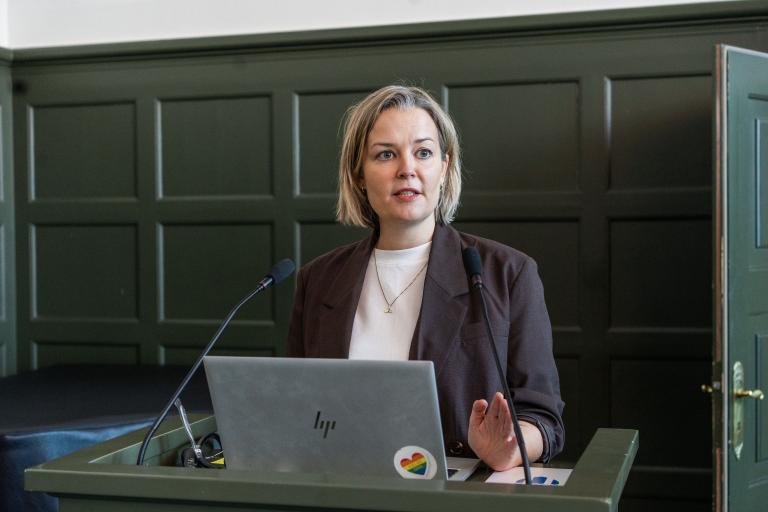
Ingvild Endestad, project manager at Nordic Safe Cities, presented the research findings.
What happens online doesn't stay online – it affects how safe young LGBT+ people feel in their daily lives.
From digital polarization to real-world impact
The digital analysis covers 35,000 Facebook comments from 2022-2025 and shows that certain topics are flashpoints, including trans women in sports, LGBT+ education, and transgender rights. Hate speech portrays the inclusion of LGBT+ people as a threat to children or women, and similar discourse is found in other Nordic countries.
Interviews with people in LGBT+ organizations in Reykjavík confirm how hateful online discourse spills over into the real world. This leads to vandalism, harassment, and growing fear among LGBT+ young people, Ingvild says. The findings show that a strong legal framework alone isn't enough. Living without harassment and attacks, having the freedom to be yourself, and experiencing support and respect are all necessary for LGBT+ people to feel safe in daily life.
"Even though Reykjavík City is known for equality, digital spaces can make people feel unsafe," says Sabine Leskopf, chair of Reykjavík City's Human Rights Council and the Together Against Violence project working group. "This research gives us valuable insight and helps us as a city address this insecurity and thereby protect LGBT+ people. We want Reykjavík City to be a safe city for everyone.“
The research will guide the development of actions to combat violence, and a diverse group of stakeholders will work on these measures. The long-term goal is not only to make Reykjavík safer but also to encourage other Nordic cities to follow suit.
Key points about the research and its findings:
- 435,000 Facebook posts (2022-2025) analyzed.
- 35,672 comments reviewed, with 9.4% containing hate speech.
- Online discussions are more negative than before and involve greater polarization.
- Negativity increases toward transgender rights, LGBT+ education, and gender-neutral spaces.
- Online negativity manifests in the real world.
The complete Safer Queer Cities report.
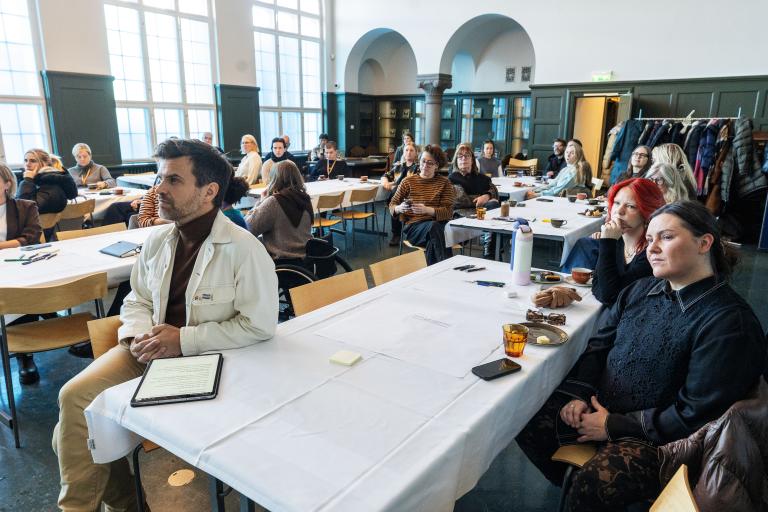
From the conference at the House of Collections.
