
Icelandic swimming pool culture inscribed on UNESCO's list of intangible cultural heritage of humanity

This marks a major milestone and a significant honor for the cultural value of swimming pool culture. This is Iceland's first independent entry on a UNESCO list.
In March 2024, swimming pool culture in Iceland was nominated for UNESCO's list of intangible cultural heritage of humanity. An 18-month UNESCO evaluation process concluded today with a meeting of the treaty's intergovernmental committee in New Delhi, India, where the committee confirmed that Iceland's swimming pool culture would receive this prestigious honor in the field of living traditions.
This is Iceland's first independent entry on the list. The nomination was the culmination of extensive preparatory work led by The National Museum of Iceland and previously by the Árni Magnússon Institute for Icelandic Studies, with numerous swimming pool visitors, groups, associations, and municipalities participating and supporting the nomination in various ways.
The inscription formally recognizes the cultural value of swimming pool culture. The nomination emphasized swimming pools as public spaces and public goods, where all generations, people from all walks of life, come together to swim, exercise, chat with friends or strangers, and enjoy community or solitude surrounded by water. Swimming pool culture is part of Icelanders' everyday culture, where people meet in swimsuits on equal footing. Swimming pool culture therefore promotes physical, mental, and social health.
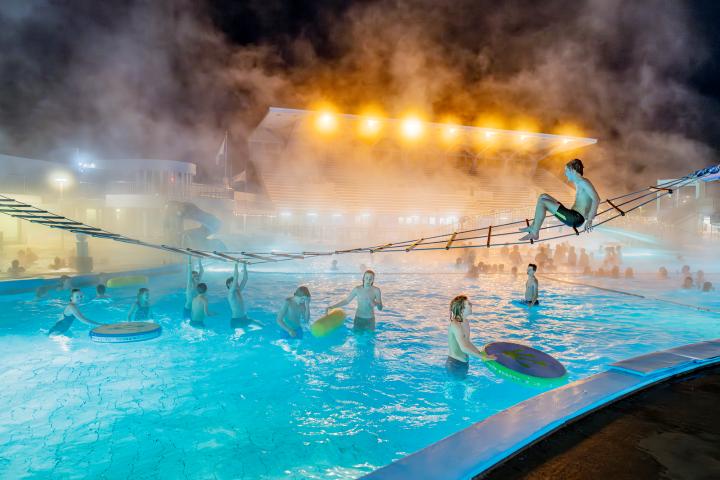
Swimming pools a big part of Reykjavík residents' culture and history
"The geothermal heating system and swimming pools are a big part of our culture and history as Reykjavík residents, and we are proud of this UNESCO recognition," says Mayor Heiða Björg Hilmisdóttir. "The eight swimming pools run by Reykjavík City each have their own unique character and culture, but they are all sanctuaries in a complex and stressful world. As the saying goes, everyone is equal in the water, and there's little more wonderful than seeing residents of all ages visit the swimming pools to nourish body and soul."
"I am thrilled that UNESCO has now confirmed what we know - that Icelandic swimming pool culture is like no other! The inscription is also an important reminder of what a great treasure our swimming pool culture is. Putting water in a concrete pool is one thing, but the conversations and time together, often between different people who may know each other little or not at all, is what truly defines it. Over 120 pools are located throughout the country, which promote both physical and mental well-being and are one of the nation's most popular gathering places. Each swimming pool has its own distinctive character and reflects the personality of its community and visitors. Swimming pools are one of the few places where phones are left behind and people actually talk to each other. I encourage as many people as possible to visit swimming pools for relaxation and good time together, especially now when many experience stress in the lead-up to Christmas. Then there's little better than washing off the stress, sparking conversation, and enjoying the swimming pool culture," says Logi Einarsson, minister of culture, innovation and higher education.
French baguette and sauna culture are on UNESCO's list of living traditions
UNESCO places a strong emphasis on the participation of those who know and practice the tradition, so organizers requested public support for the nomination. Organizers held meetings throughout the country where the nomination was presented and attendees' perspectives were requested. Many swimming pool visitors and swimming groups across the country showed their support for the nomination by sharing their experiences with swimming pool culture. The same applies to swimming clubs as well as the Swimming Association of Iceland and UMFÍ (Youth Organization of Iceland).
Municipalities are responsible for operating swimming pools, and ten municipalities sent written statements of support, including Reykjavík City, which also produced a 10-minute video about swimming pool culture that accompanied the nomination. Iceland's president at the time, Guðni Th. Jóhannesson, also strongly supported the nomination.
UNESCO's list of intangible cultural heritage has been described as the little sister of the famous World Heritage list. The list contains extremely diverse examples of humanity's cultural heritage, with over 800 inscriptions from more than 150 countries. Examples of other inscriptions on the list include Chinese shadow puppet theater, Belgian beer culture, the Mediterranean diet, the French baguette, and Finnish sauna culture. At the meeting in New Delhi, new additions to the list included the Hindu festival of lights, Deepavali, from India; marionette string puppet theater from Belgium; the craft of traditional Japanese papermaking; and Swiss yodeling.
