
Climate change is a quality-of-life issue

The first annual general meeting with participants in Reykjavík's Climate City Contract was recently held in Tjarnarsalur at Reykjavík City. The agenda was diverse and reflected the challenges ahead on the path to carbon neutrality. A recurring theme was that climate change is a quality-of-life issue, that changing people's habits is a challenge, and that this journey requires courage and determination.
About the Climate City Contract
Reykjavík's first Climate City Contract was signed Oct. 7, 2024. Reykjavík City then received approval for the contract at a formal ceremony during a climate conference in Vilnius, Lithuania on May 7, 2025. The contract includes 15 actions with 18 participants. Contract participants have committed to developing actions that measurably reduce greenhouse gas emissions and support Reykjavík City's climate goal of becoming carbon neutral by 2030. They also committed to participating in annual consultation meetings through at least 2030.
Mayor opens the meeting
Mayor Heiða Björg Hilmisdóttir opened the meeting and discussed in her address how important it was to look at the whole picture, create a healthier environment and a more vibrant city with more options, thereby improving residents' quality of life. She stressed the complexity of changing habits and the need to work with the community on these changes. She also noted how important it was to celebrate the steps already taken, such as increasing Strætó Public Transport service and the achievements from opening the gas and compost facility at Álfsnes.
"When we become carbon neutral, we'll be even more attractive and more people will want to live here," she said, adding that a lot can be accomplished in five years.
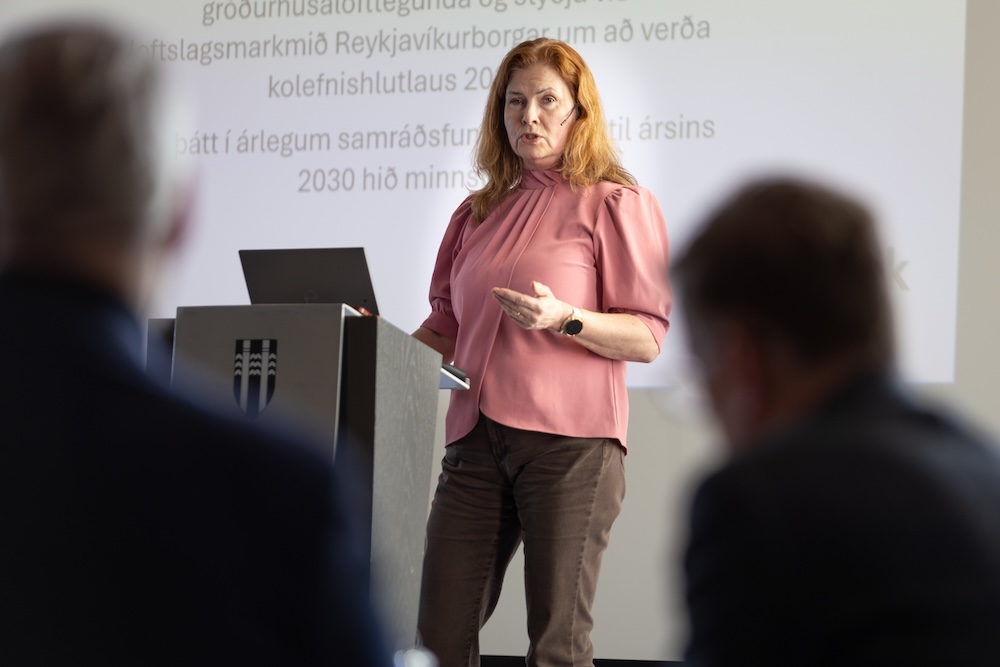
Hrönn Hrafnsdóttir, head of division for climate change issues at Reykjavík City, echoed this in her presentation and also emphasized that ultimately this is about people and ensuring a high quality of life for residents. She reminded attendees that the climate contract and the associated European partnership are a long-term project extending to 2030.
Priorities in the contracts
- Transportation – Focus on changes in travel modes and strengthening infrastructure for public transportation, pedestrians and cyclists.
- Energy transition – Energy transition in vehicle fleets and ships in Reykjavík
- Waste and circular economy – increased sorting, recycling and reuse.
- Construction sector – The City has ambitious goals for residential development. It is therefore crucial that this development has the smallest possible impact on the climate and environment.
- Just transition – Ensure just transitions in developing a carbon neutral society.
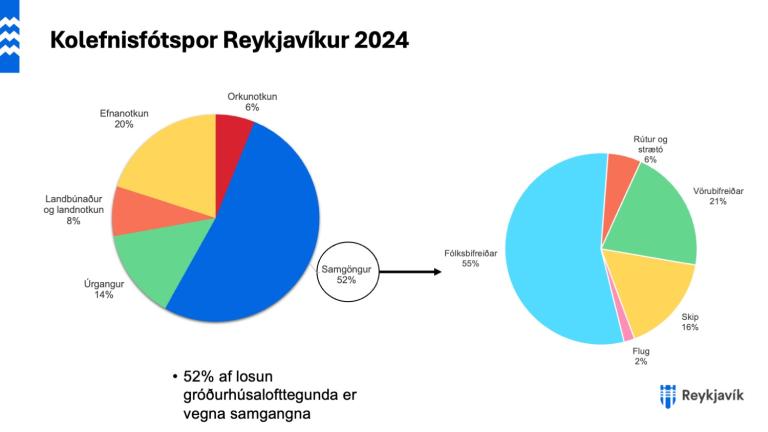
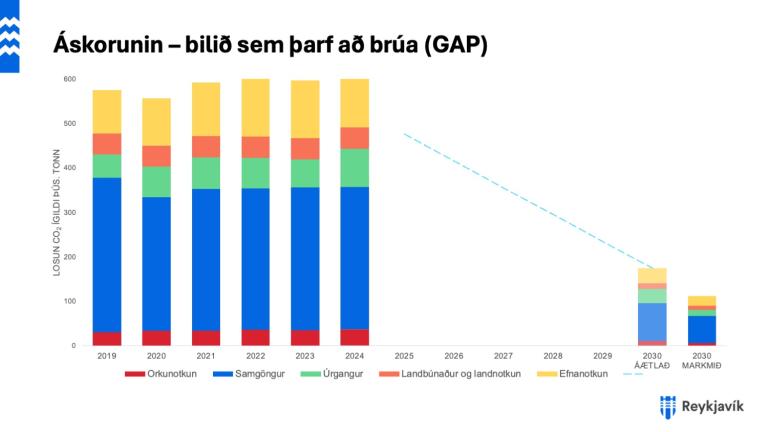
Transportation's position at the top of the list is unsurprising, since Reykjavík's 2024 carbon footprint shows that 52% of greenhouse gas emissions come from transportation.
Lively panel discussions
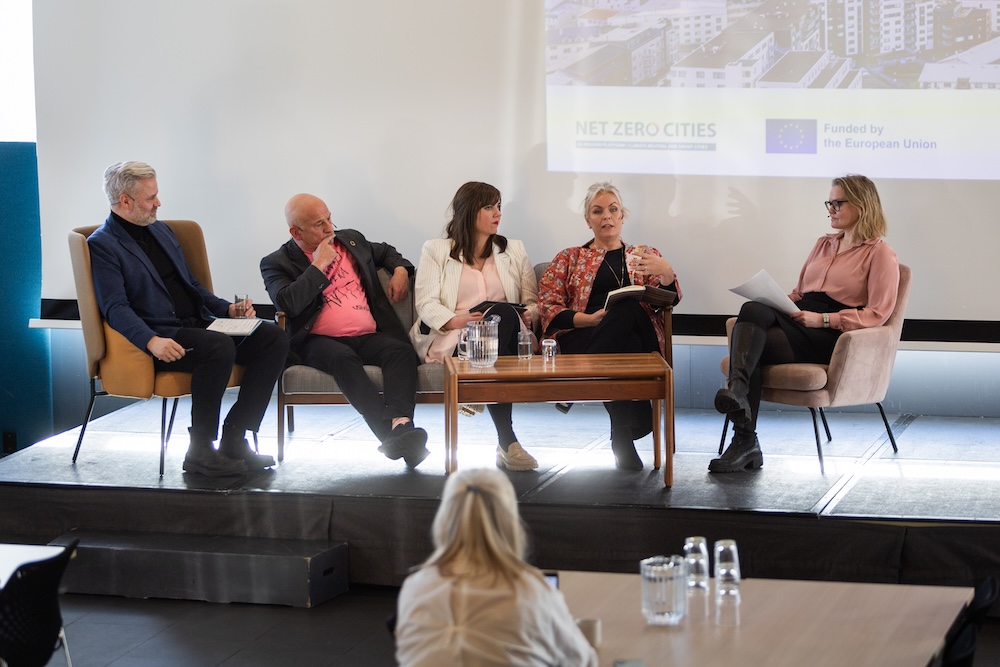
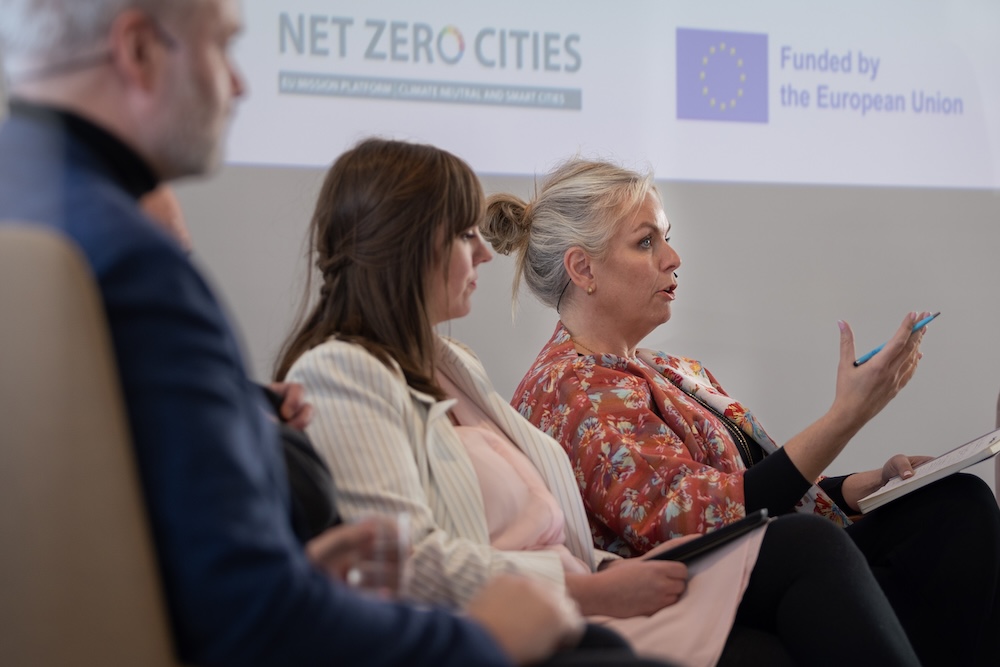
Dóra Björt Guðjónsdóttir, then chair of Reykjavík City's Environment & Planning Council, Elva Rakel Jónsdóttir, executive director of Festa, Eiríkur Hjálmarsson, specialist in social responsibility at Reykjavík Energy, and Þorsteinn Rúnar Hermannsson, assistant executive director of Transport for the Capital Area, participated in panel discussions. The discussion covered the importance of celebrating small victories and the urgent need to press forward with determination, as waiting is not an option. It's important to be persistent and stay the course on climate change issues because there seems to be less interest in advocating for them in public discourse now. It could be effective to change values and create economic incentives that support new habits.
Advisors from NetZeroCities
After the panel discussions, several presentations provided inspiration and showed Climate City Contract participants the opportunities in collaboration. During the creation of the Climate City Contract, the city has received close and valuable consultation from the European organization NetZeroCities (NZC), and two of their advisors came to Iceland to observe the meeting and give presentations.
Keira Webster, a city advisor from NZC, gave a presentation and emphasized that this was a learning process and that bridging the gap was a major challenge. She gave concrete examples from cities on the same journey as Reykjavík, such as the Finnish city of Espoo and the Norwegian capital Oslo.
Another NZC advisor, Henrik Rasmussen, a financial counselor from Bankers Without Borders, also gave a presentation. They are both special advisors to Reykjavík City in the contract. Henrik also gave several examples from cities participating in similar climate contracts, such as Cork in Ireland's work on developing its electric charging station infrastructure.
Photo gallery from the meeting
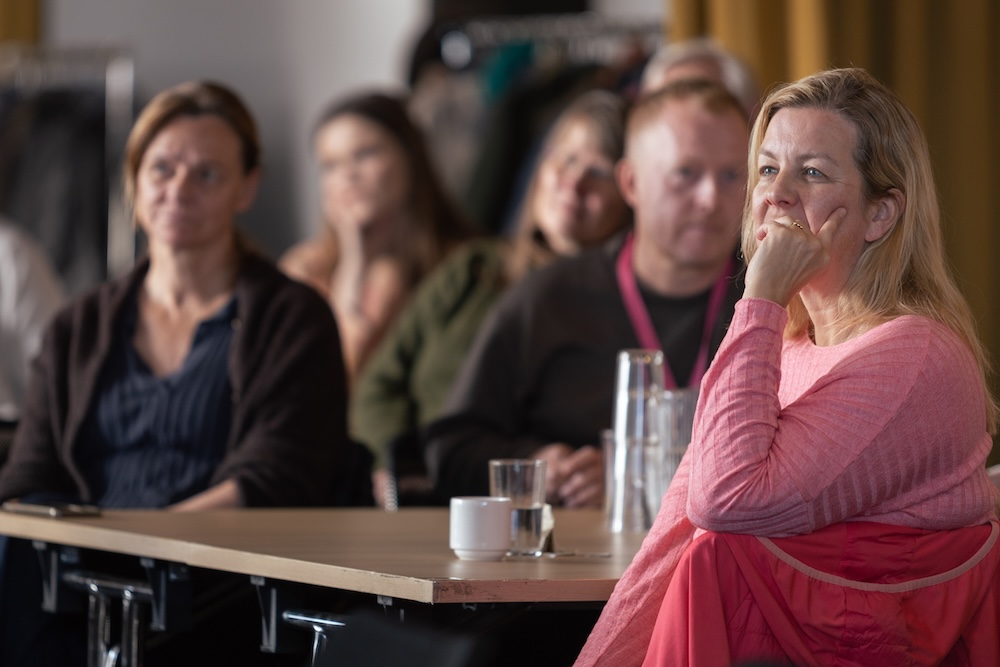
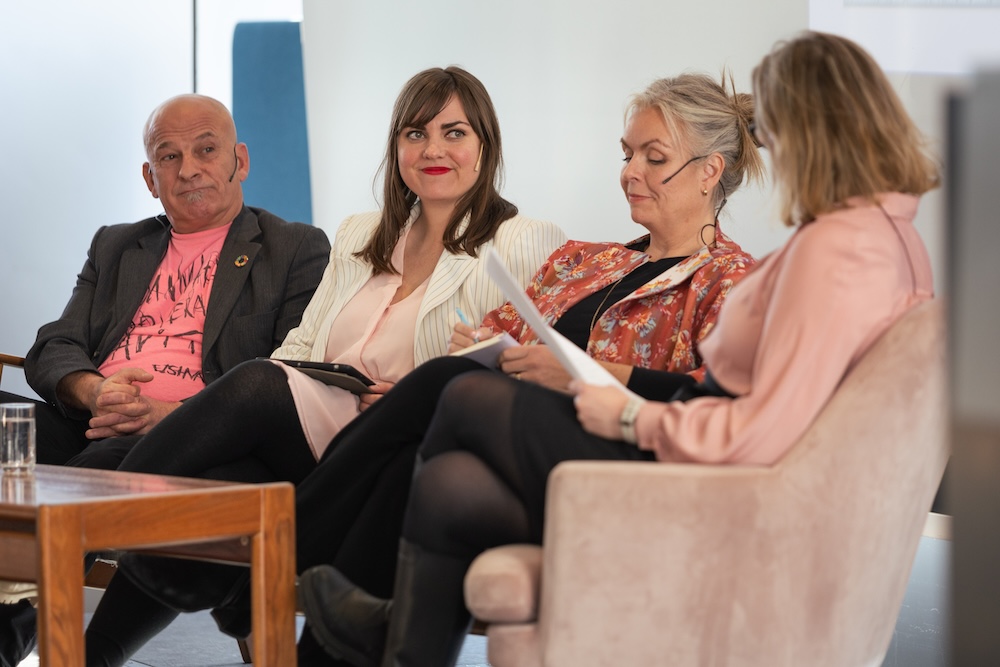
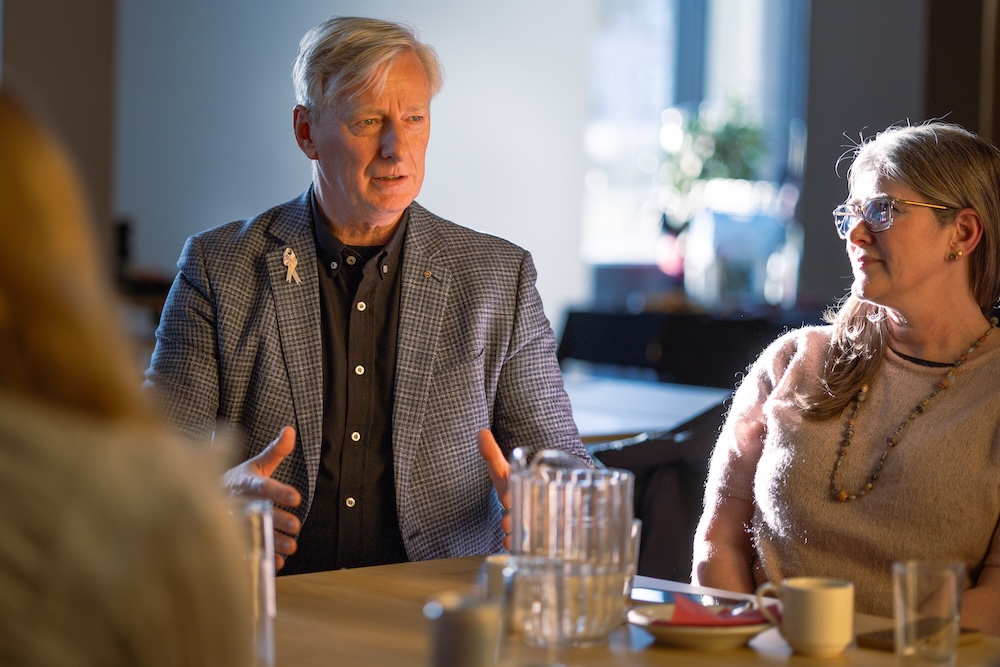
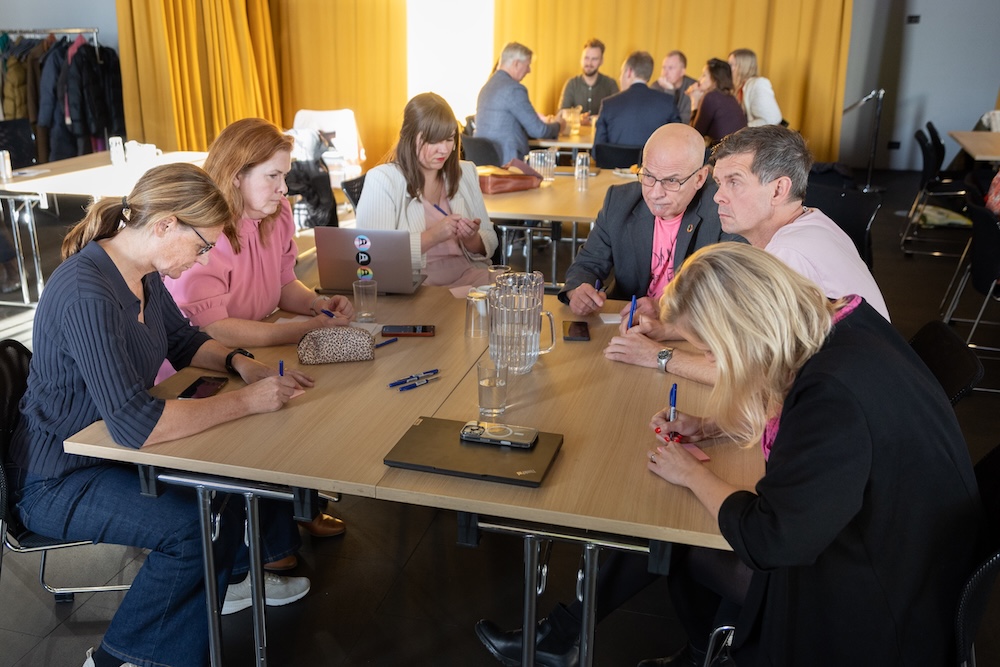
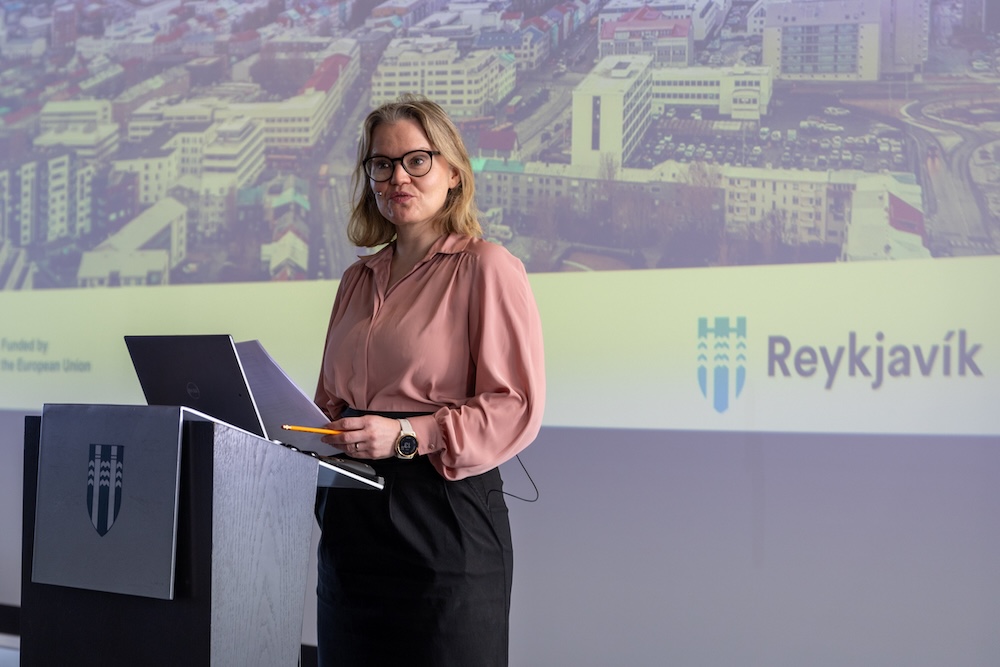
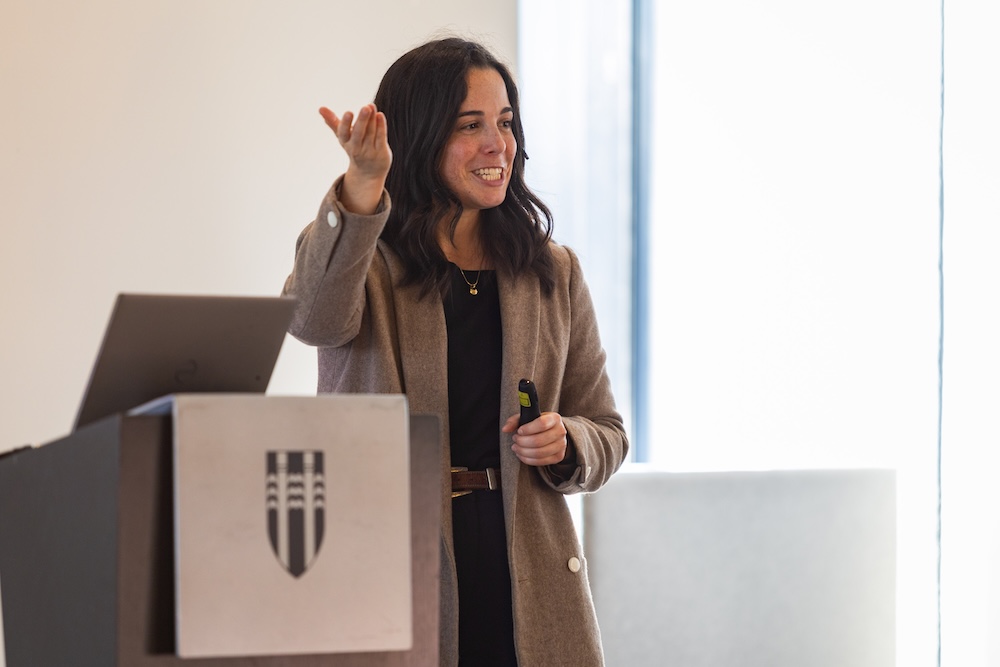
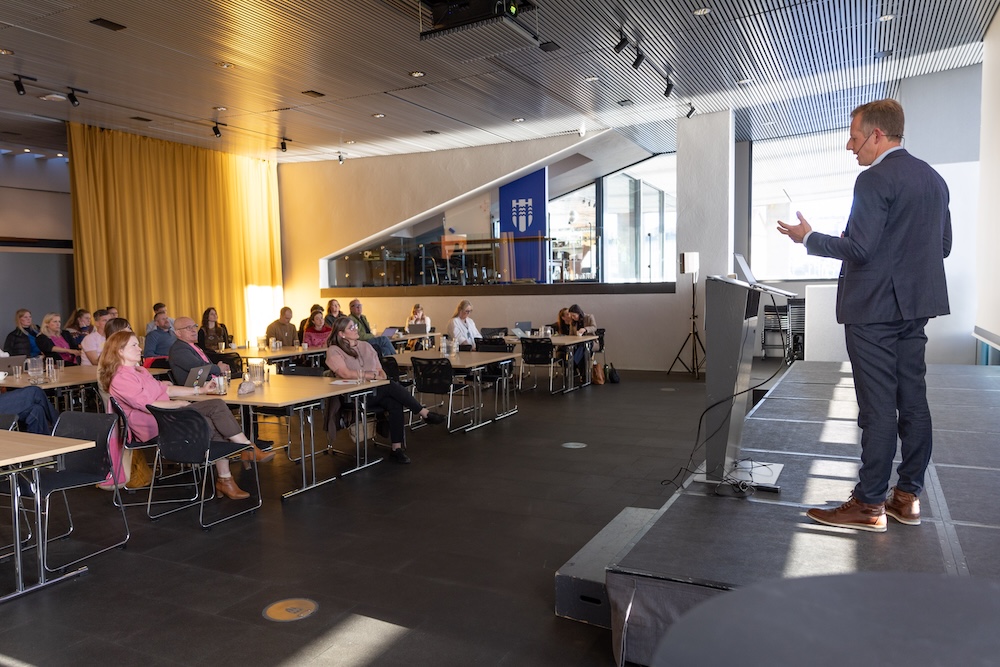
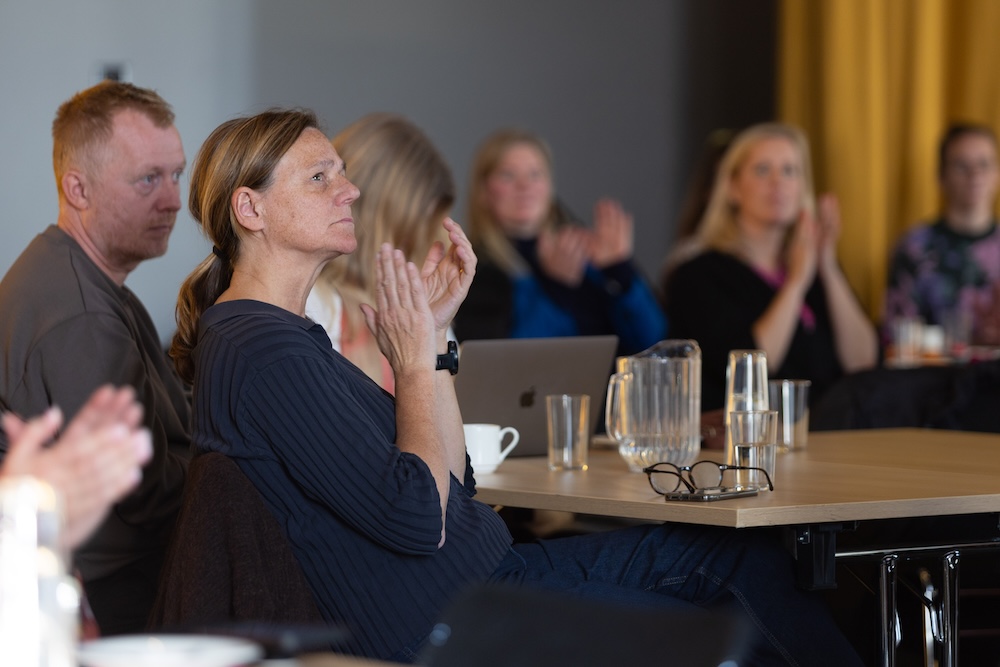
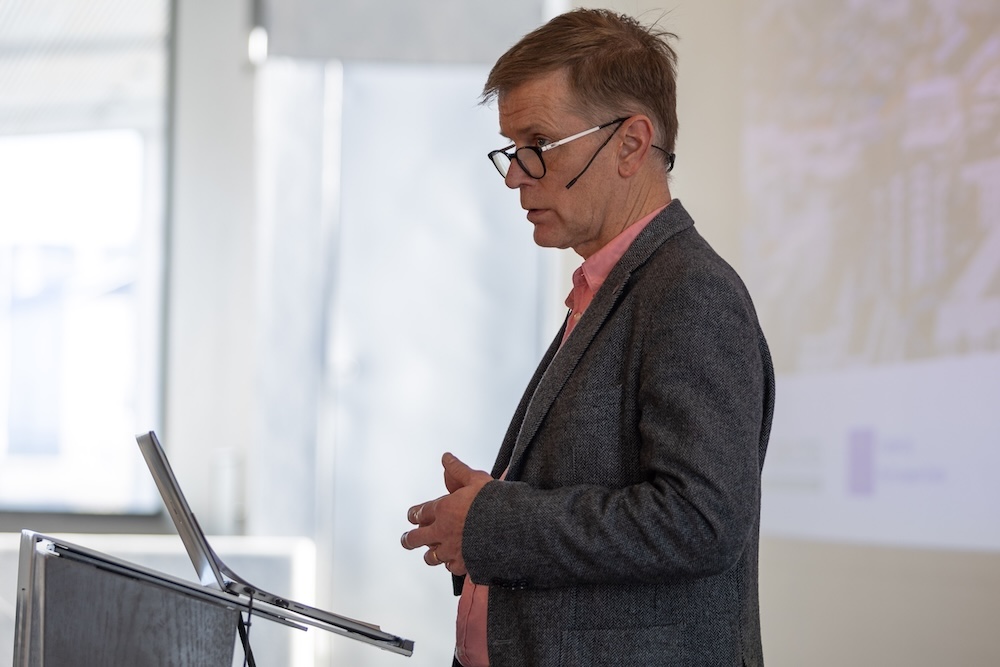
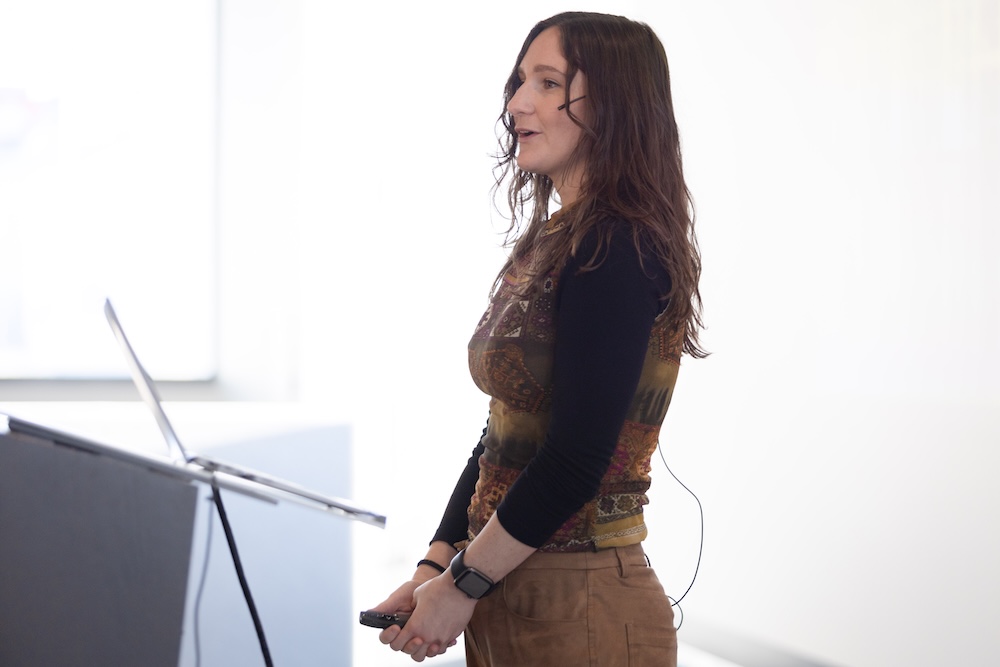
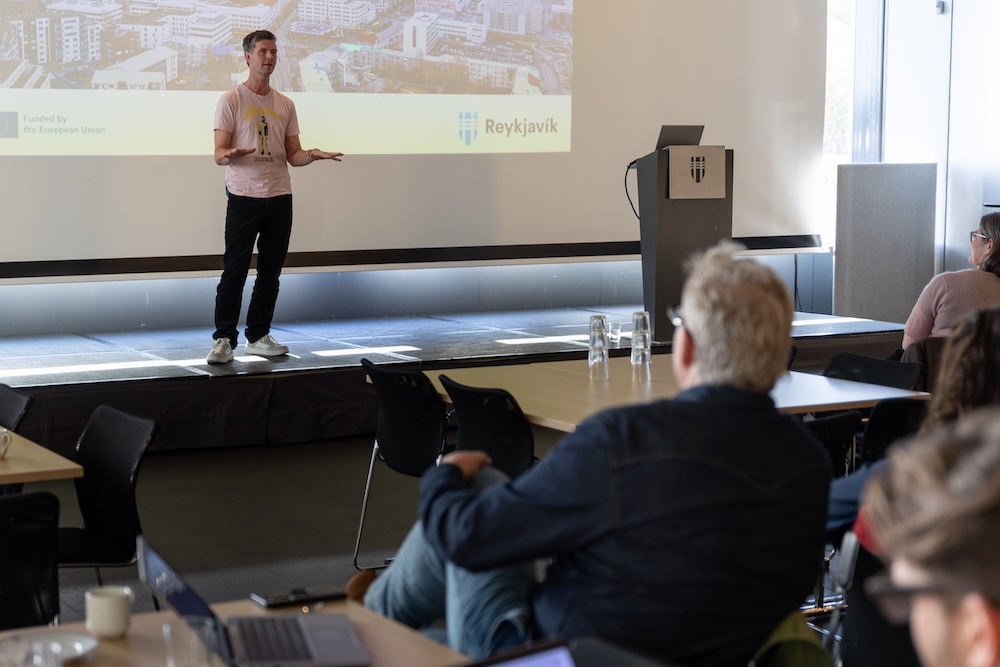
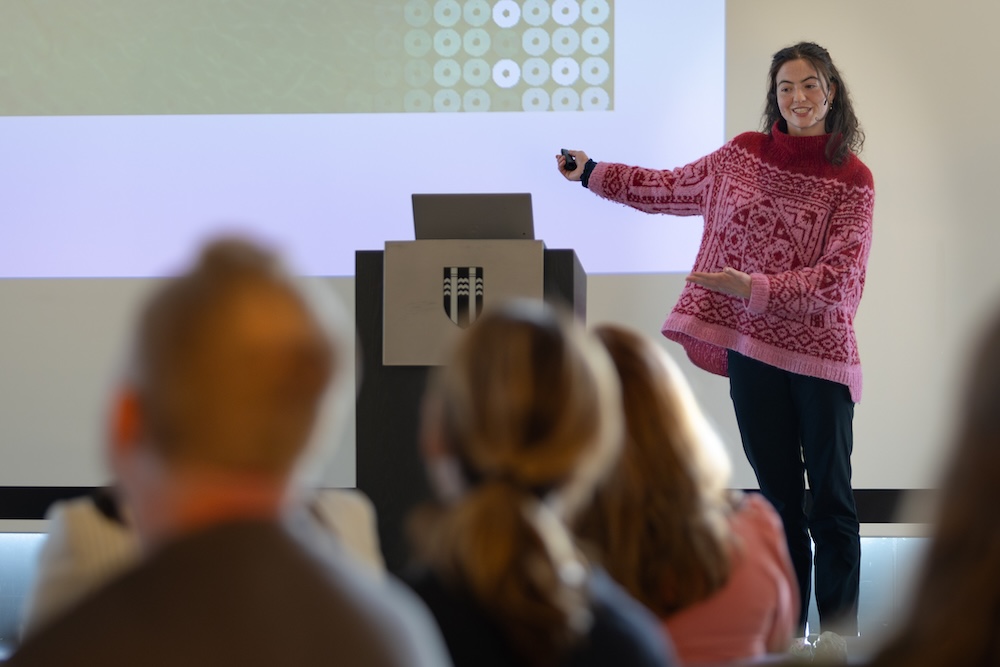
Inspirational short presentations
This was followed by several short and engaging presentations, featuring case studies from Climate City Contract participants. Björn Helgi Barkarson, Head of Office for climate and nature at the Ministry of the Environment, Energy, and Climate kicked off the session. Next up was
Emma Soffía Elkjær Emilsdóttir, specialist in climate and environmental issues at Reykjavík Energy, who talked about Reykjavík Energy's climate goals and the path toward reaching them.
Hannah Rós Sigurðardóttir Tobin, project manager at Reykjavík City, reviewed a project related to green transportation in Vatnsmýri, and Freyr Eyjólfson, project manager at Sorpa, gave the final short presentation, discussing the future of the circular economy.
Following these presentations, attendees participated in a workshop focused on the question: How do we speed up carbon neutrality, which is obviously the central question in this context.
Finally, Dóra Björt Guðjónsdóttir delivered closing remarks and thanked attendees for coming. She encouraged everyone to think big, even though projects must be broken down into manageable steps, and emphasized that courage is essential on the journey toward carbon neutrality. She said we need to demonstrate that we believe in these projects and have the courage to see them through. She added that there is also a need to be willing to experiment, pursue innovation, and work collaboratively across institutions and municipalities. "We don't need fear-mongering, but rather enthusiasm and encouragement," she concluded.