Skólaskip initiative aims to strengthen children's connection to the sea
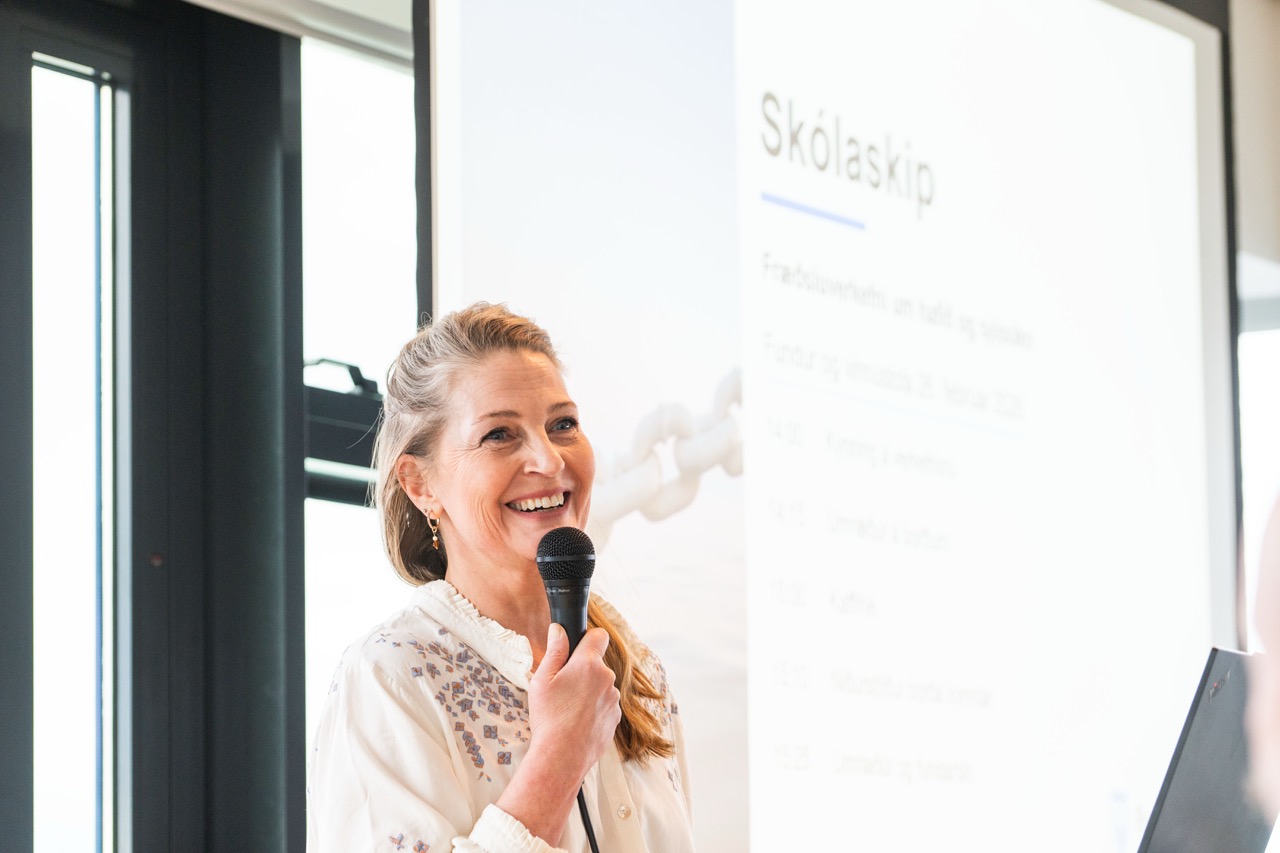
The primary school division at West Center has taken the initiative on a new educational project about the sea and seafaring. More than 40 representatives from schools, institutions, and organizations gathered on Feb. 26 to launch this new educational effort.
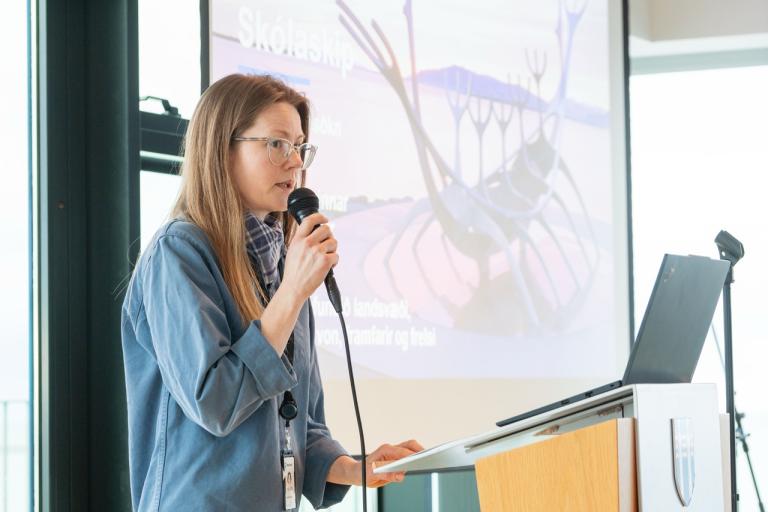
The meeting marked the first step in building Skólaskip, an initiative aimed at strengthening children’s and young people’s connection to the sea and making it a meaningful part of learning and experience in school and recreation.
Proximity to the sea offers opportunities
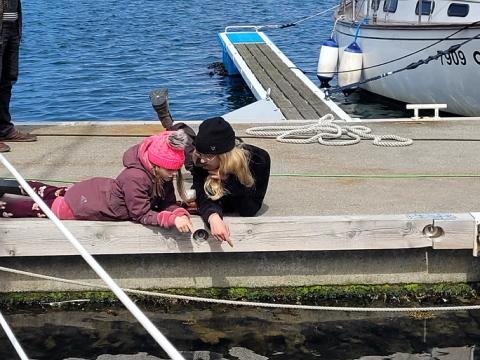
Skólaskip is an educational project about sailing, the sea, and seafaring. The goal is to give children and young people an opportunity to experience the sea firsthand, see the opportunities that proximity to the sea offers, and build stronger ties to nature, the environment, livelihoods, cultural heritage, and science.
The idea for the project arose from the fact that, despite living by the sea, many children have little or no opportunity to spend time near it. The sea and sea-related experiences offer diverse opportunities for learning in school. Participants agreed that this was an important opportunity for connection with nature, knowledge-building, and togetherness and social ties in the local community.
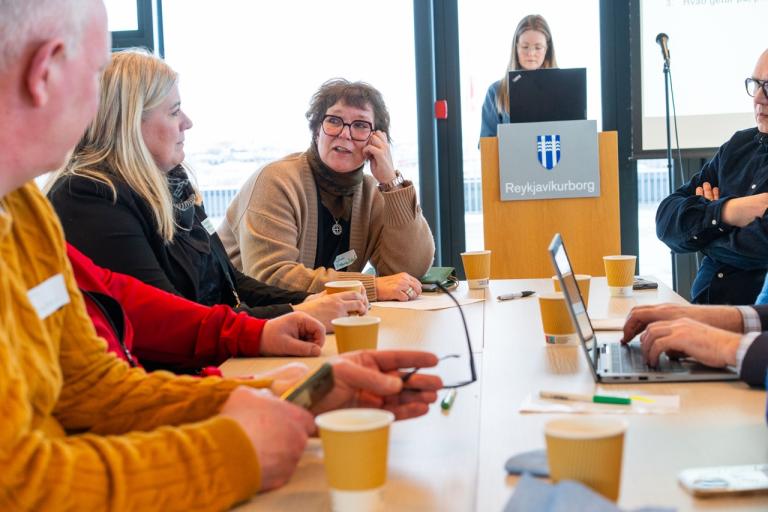
Maritime Safety and Survival Training Centre among partners
Ahead of the meeting, the partners signed a letter of intent expressing their shared commitment to continuing work on the project and shaping its future vision. Signatories include the Marine and Freshwater Research Institute, the Maritime Safety and Survival Training Centre, Reykjavík Technical College, the Center for Outdoor Activities & Studies, Reykjavík City Museum, the Icelandic Museum of Natural History, the School of Education, University of Iceland, and Associated Icelandic Ports.
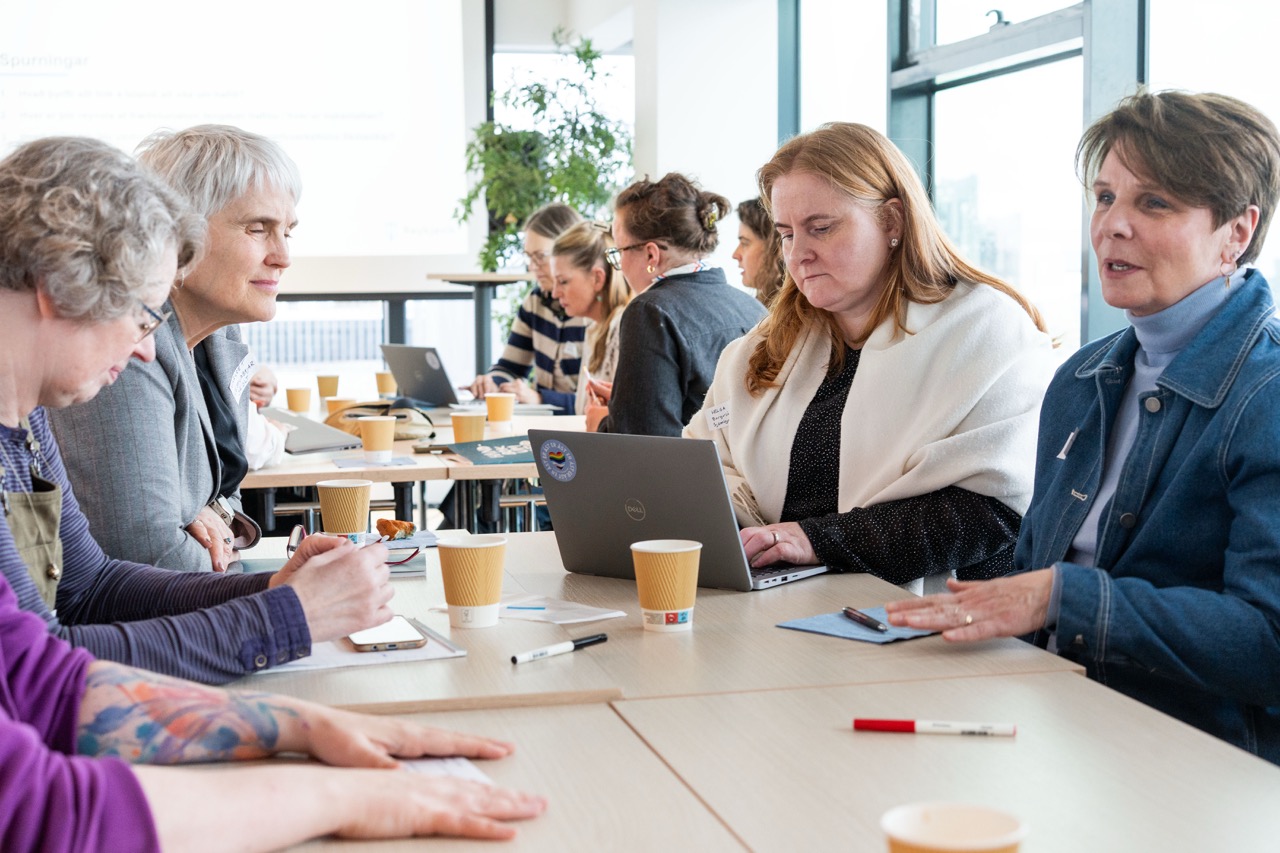
The aim of the meeting was to bring together a broad group of people to map the sea-related educational work already underway, gather past experience, and explore ideas that have not yet been implemented. The project’s future vision is built on that foundation. Many parties have shown interest in the project, and there is a willingness to create a collaborative forum where knowledge and experience can be brought together. Interested participants allowed themselves to imagine that, in the coming years, children in Iceland will gain access to sea-related experiences that help them learn as much as possible about the sea and come to know our backyard — the sea.
In the next phase of the project, work will include developing a project bank for younger students and shaping elective courses for the oldest stage of primary school. This work is still in its early stages and will continue over the coming months in close dialogue with schools, specialists, and other participants in Iceland and abroad.
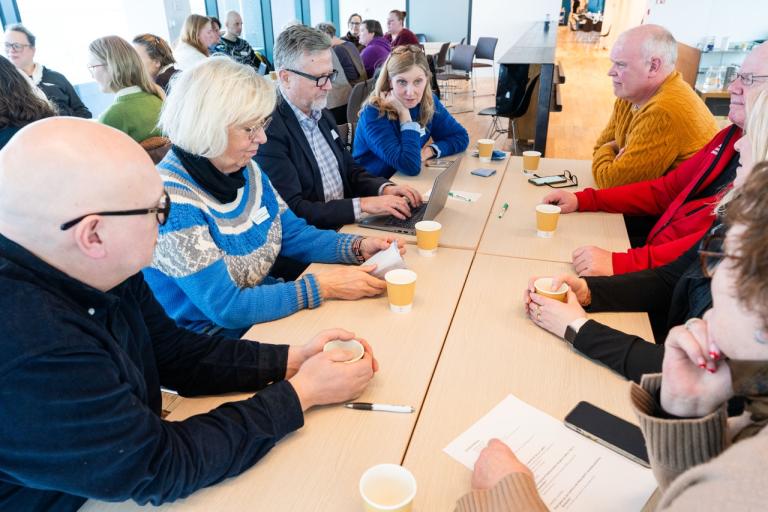
Hagaskóli, Grandaskóli, and Vesturbæjarskóli collaborate on project bank
There was unanimous agreement at the meeting on the importance of strengthening children’s connection to the sea and making use of the invaluable setting it offers for learning and connection. The initiative will evolve over the coming semesters, aiming to bring more schools and community organizations on board. Work is already underway with Grandaskóli on a project bank about the seashore, with Vesturbæjarskóli on ships, and with Hagaskóli on seamanship.
Karna Sigurðardóttir serves as the project manager for Skólaskip. She will lead the development process, shape the project’s content in close collaboration with teachers and specialists, and build a network of partners who want to help make the dream of Skólaskip a reality.