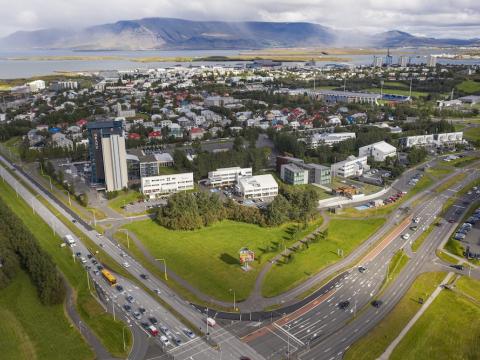
Reykjavík City's new biking plan
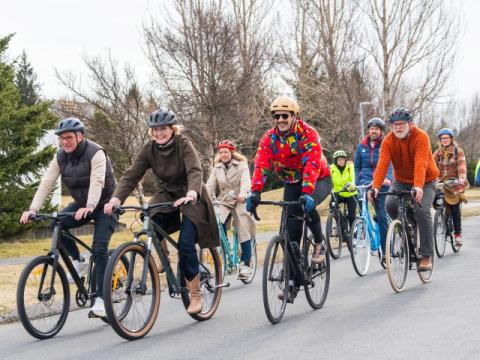
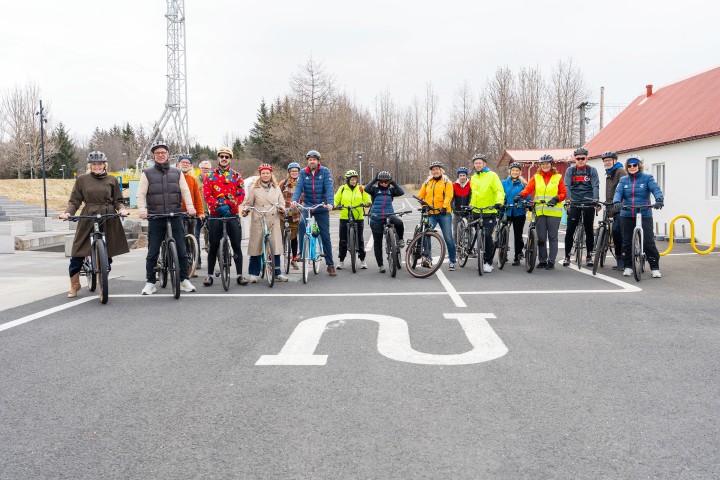
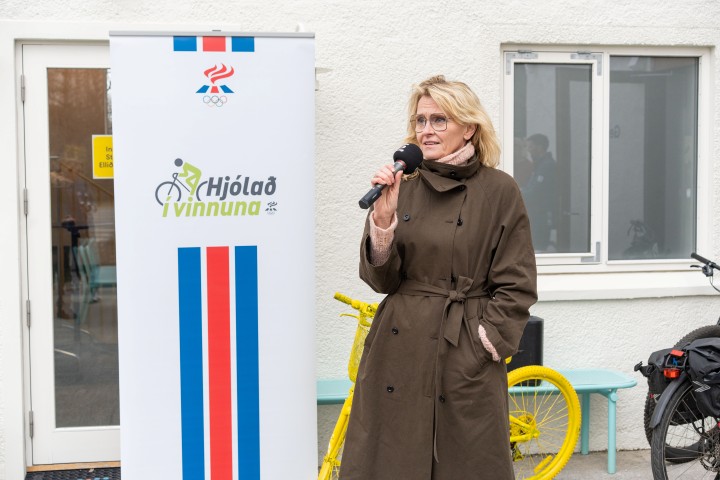
"Reykjavík City's new biking plan for 2026 to 2030 is nearly complete. It builds on recent lessons learned while sharpening our focus on what matters most moving forward. We're placing greater emphasis on quality than ever before," said Heiða Björg Hilmisdóttir, mayor of Reykjavík, at this morning's launch of the Bike to Work campaign alongside Minister of Health Alma D. Möller and Willum Þór Þórsson, president of the Icelandic Sports Association.
Reykjavík City's biking plan sets a clear vision for a community where biking is a practical, appealing transportation option and a natural part of daily life. The goal is to make biking the easiest choice for everyday transportation while supporting better public health and fostering a more sustainable city. This framework succeeds the previous plan covering 2021-2025.
2040 vision goals
A campaign like Bike to Work is about more than just physical activity or a short-term challenge—it's about fundamentally changing habits. Shifting these behaviors requires infrastructure, planning, and culture to work seamlessly together. "The biking plan envisions a future where Reykjavík becomes a world-class cycling city by 2040—one where biking ranks among the most common ways residents get around, especially for shorter trips," Heiða Björg said. The city's cycling network will be dense, seamlessly connected, and safe, offering direct links to public transportation and key destinations.
Officials launched the 2026 Bike to Work campaign in Elliðaárdalur, where new pedestrian and cyclist bridges shorten distances, connect previously divided areas, and make biking between neighborhoods a realistic alternative to driving. The bridges also strengthen connections between the city's eastern neighborhoods and the center, improving vital links with Kópavogur and other municipalities across the capital area.
-
Data from 24 bike counters positioned across Reykjavík reflect a significant increase in biking since 2022.
-
Gallup polling reveals that bikes account for 8% of commuting trips, while 14% of Reykjavík residents say they would prefer to commute by bike or e-bike. These statistics directly informed the biking targets established in the 2040 vision. The vision aims for public transportation or active transportation to account for at least 50% of all trips within Reykjavík.
-
At least 35% of all journeys should be made on foot, by bike, or by scooter, with at least 15% completed specifically by bike.
Join Bike to Work
The Bike to Work campaign runs from May 1-31st Each participant can log any 18 days of their choosing. The initiative's impact is visible citywide as cyclist numbers rise sharply every May. Participants can also log commutes made on foot. The campaign aims to promote daily physical activity while highlighting active transportation, since biking offers a healthy and environmentally friendly way to travel.
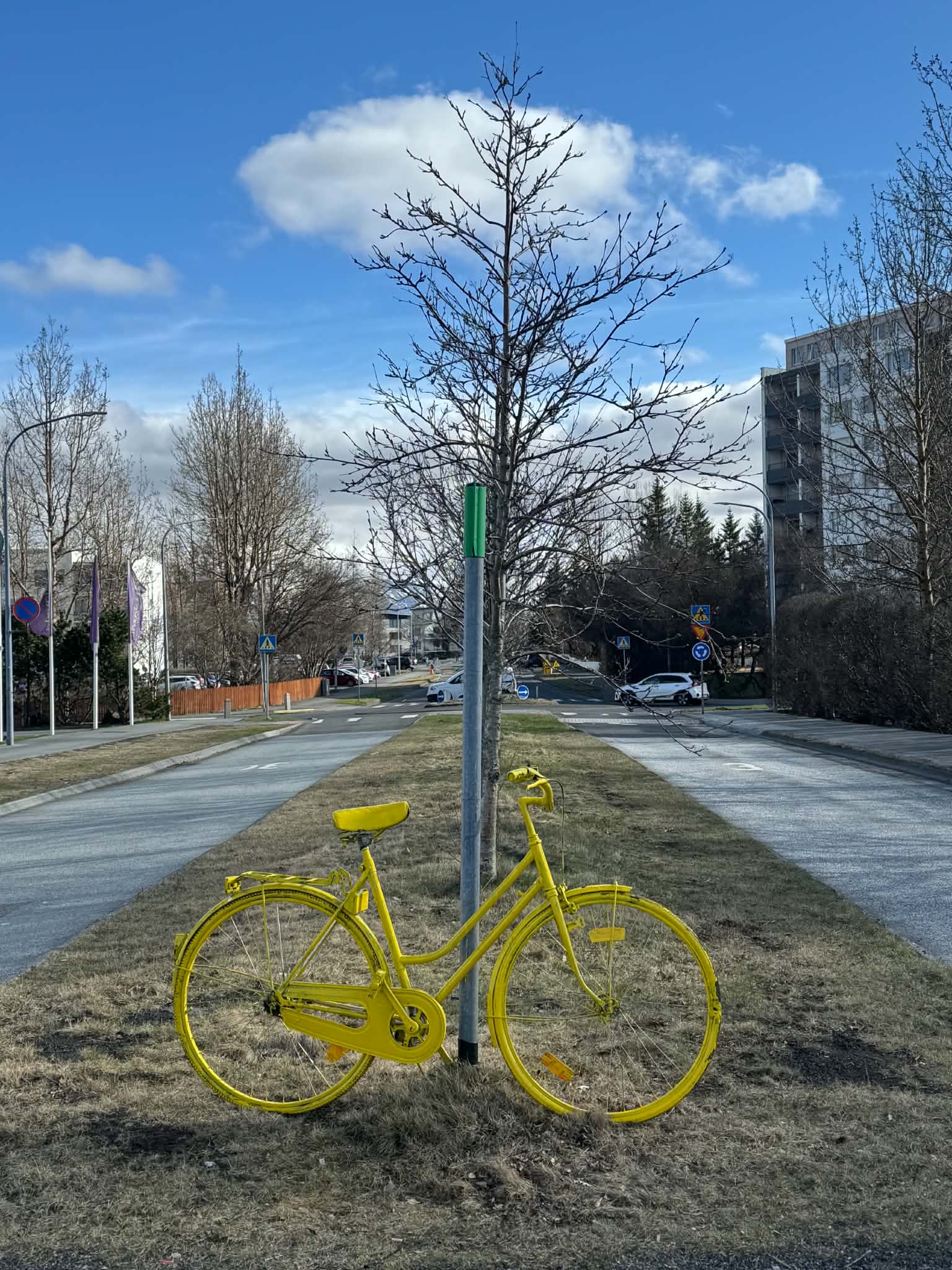
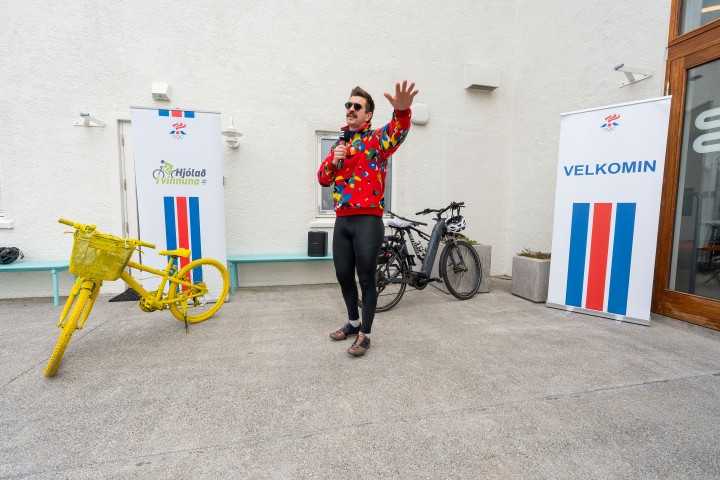
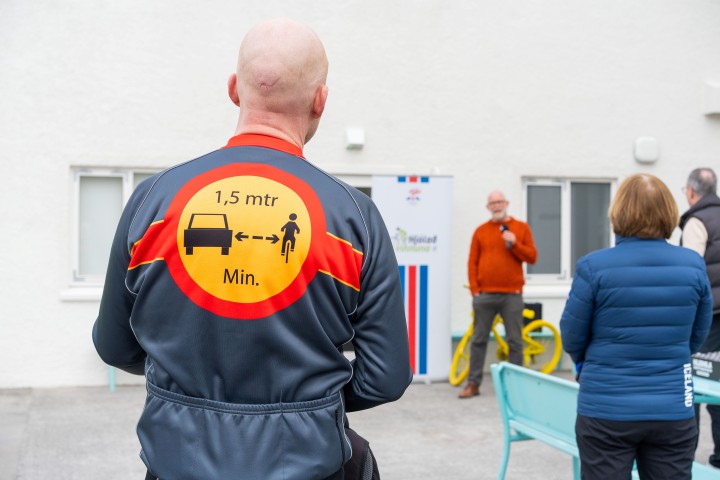
The event also showcased the Icelandic Sports Association's partnership with Gott og einfalt and Hjólavarpið. Birgir Fannar Birgisson of Reiðhjólabændur introduced the "GUL HJÓL" (Yellow Bike) awareness campaign, which addresses road safety for active road users. To date, advocates have placed 25 yellow bikes at sites across the capital area as reminders to exercise caution in traffic—a direct response to the troublingly high number of accidents involving vulnerable road users in recent years.