
New biodiversity action plan
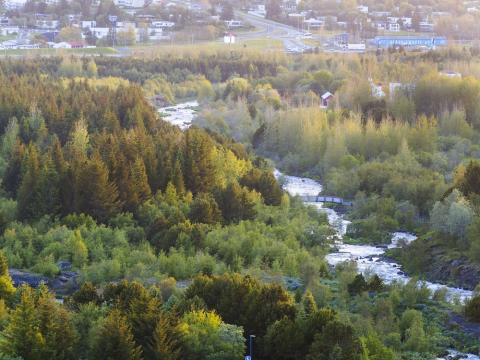
The City Executive Council granted approval for Reykjavík's new biodiversity action plan through 2030, titled "Náttúrulega Reykjavík!" (Natural Reykjavík!). The action plan features 80 comprehensive steps to strengthen the city's biota, enhance green spaces, and improve residents' quality of life while building climate resilience.
The framework encompasses a broad array of initiatives. Among them: completing the protection process for Skerjafjörður, adding islets to Tjörnin lake to support bird life, planting more trees on municipal land, ensuring primary school children receive outdoor nature education, continuing to monitor the city's biota, and combating invasive species, to name just a few.
This action plan builds on Reykjavík's existing 2016 biodiversity policy, which made it the first Nordic capital to adopt such a framework.
Consultation with residents and stakeholders
During the development phase, the city hosted a working session with stakeholders, professional institutions, and civic organizations. Reykjavík City also published a draft of the action plan on the Consultation Portal, giving residents, stakeholders, and anyone with an interest the opportunity to review the document and submit brief remarks.
Officials surveyed residents on selected projects, asking them to rank the actions by priority. Among the findings, 60% of residents expressed support for the "Viljandi villt" (Deliberately Wild) project—a sentiment shared across all of Reykjavík's districts. Planners also assessed residents' access to green spaces, with over 80% reporting they find it easy to reach a designated green area.
A crucial environmental issue
Biodiversity and its welfare rank among the most pressing environmental issues of our time, and municipalities play a vital role through development plans, education, action in residents' local surroundings, permitting, and more.
Through this action plan, Reykjavík City fulfills its commitments under the Berlin Urban Nature Pact and ensures that the country's largest municipality contributes to the goals established in Iceland's new national biodiversity policy. The framework also aligns with Iceland's international commitments. Reykjavík's biodiversity policy spans a broad range of areas and intersects with numerous fields.
