
Cohousing communities presented at mayor's housing meeting
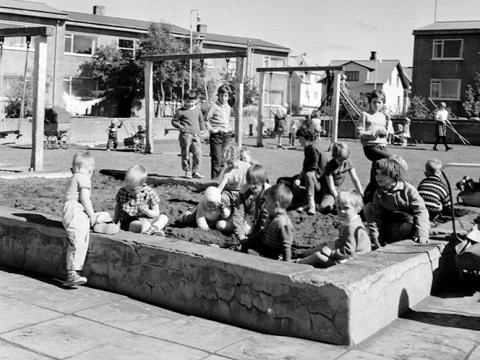
Officials presented a new pilot project on cohousing communities at the mayor's housing meeting Friday. This concept introduces a fresh approach to housing development that prioritizes resident collaboration, shared spaces, and deep community connections.
The cohousing model treats housing as more than a private retreat, viewing it as a hub for social connection and a vital piece of the city's community infrastructure.
Shared spaces anchor these developments by offering opportunities for daily interaction and forging stronger bonds between residents and their surroundings.
Reviving a cooperative tradition
The initiative draws inspiration from an earlier era in Reykjavík when worker housing programs and building cooperatives frequently constructed multi-family residences.
Residents in those earlier developments enjoyed meaningful input into their home construction, which reduced costs, instilled a deep sense of ownership, and cultivated highly engaged neighborhoods.
That collaborative approach has largely vanished today, leaving residential planning decisions mostly disconnected from the people who ultimately inhabit those spaces. This cohousing initiative explores ways to resurrect that cooperative spirit and empower residents to actively shape their living environments.
Two contrasting lots selected
The City has selected two distinctly different lots for this pilot project. The first lot, located at Laugavegur 159 on the eastern edge of the city center,occupies a transition zone where a vibrant street corridor borders green open spaces. Plans for this site feature a small multi-family residence boasting active street-facing facades and shared spaces designed to blend seamlessly with urban life. The second lot, at Yrsufell 2a–2i, sits inside an established row house neighborhood in Breiðholt. Development there will focus on a shared garden, seamless links to trails and outdoor recreation areas, and the creation of sheltered, inviting outdoor spaces. Planners envision a row of nine residential units for this location.
While cohousing communities and similar models thrive internationally, they have yet to gain a significant foothold in Iceland. Through this endeavor, Reykjavík City aims to discover how this housing model might adapt to the local setting by combining the city's historical precedents with modern international successes.
Reykjavík City is seeking interested teams to help shape the cohousing community concept in Reykjavík. The application deadline is 11:59 p.m. on May 4, 2026.
