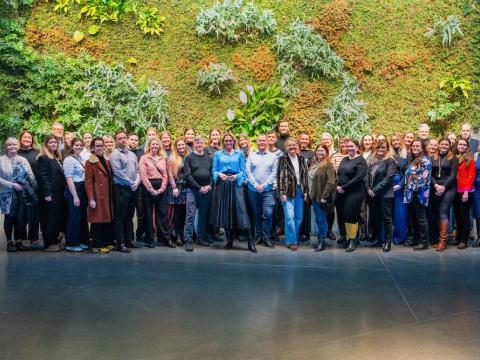
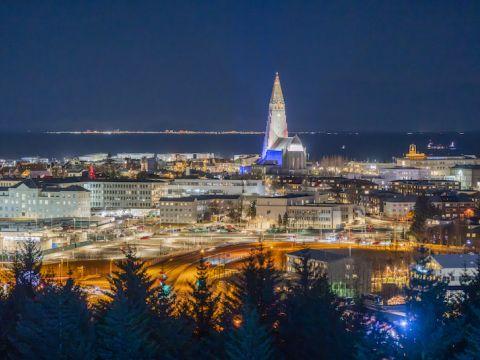
Climate City Contract meeting with participants
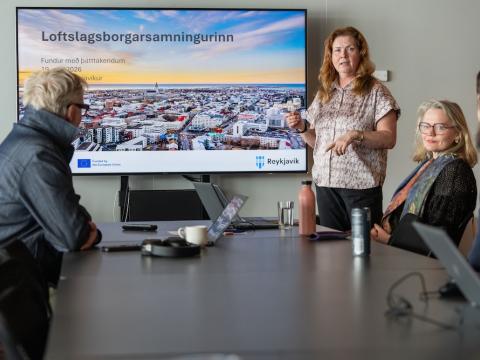
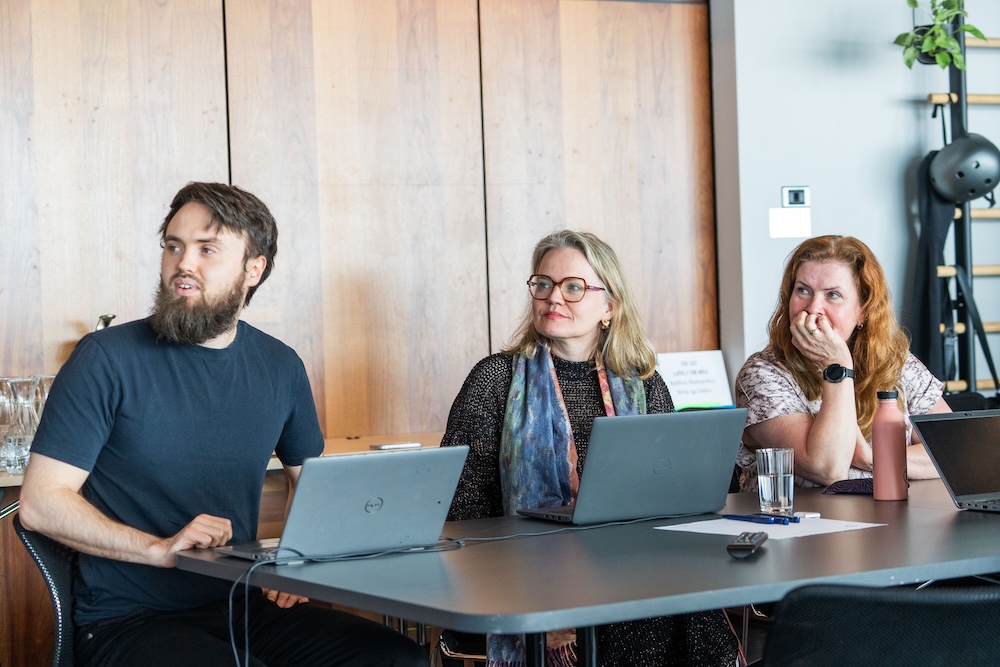
Earlier this month, participants in Reykjavík City's Climate City Contract convened at City Hall. This marked the fourth meeting held with participants since the annual general meeting in October. Each meeting centers on a specific theme. This gathering focused on tourism and featured a presentation on the updated Green Steps program for Reykjavík City operations.
Previous themed meetings covered transportation, waste management, and innovation, drawing strong attendance and positive feedback. Climate City Contract participants benefit from tracking the latest developments in their sectors and building networks that support their climate action efforts.
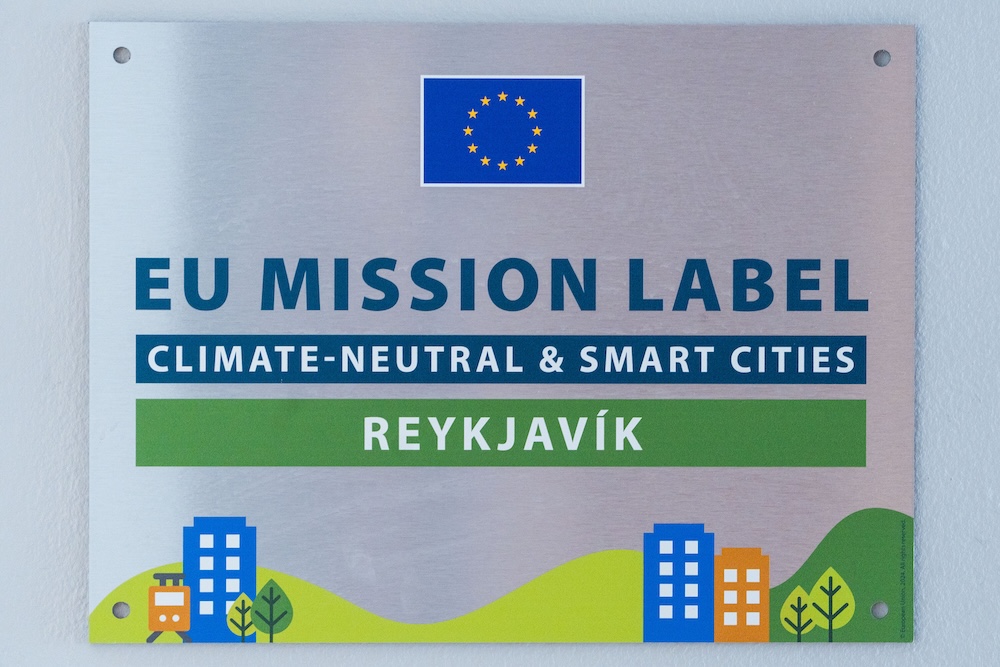
Hrönn Hrafnsdóttir, head of the climate change issues division at Reykjavík City, opened the meeting with a general status update on the contracts. Of the 112 participating cities, 106 have completed their contracts and received formal recognition. Reykjavík's first Climate City Contract was signed Oct. 7, 2024. Reykjavík City then received approval for the contract at a formal ceremony during a climate conference in Vilnius, Lithuania on May 7, 2025.
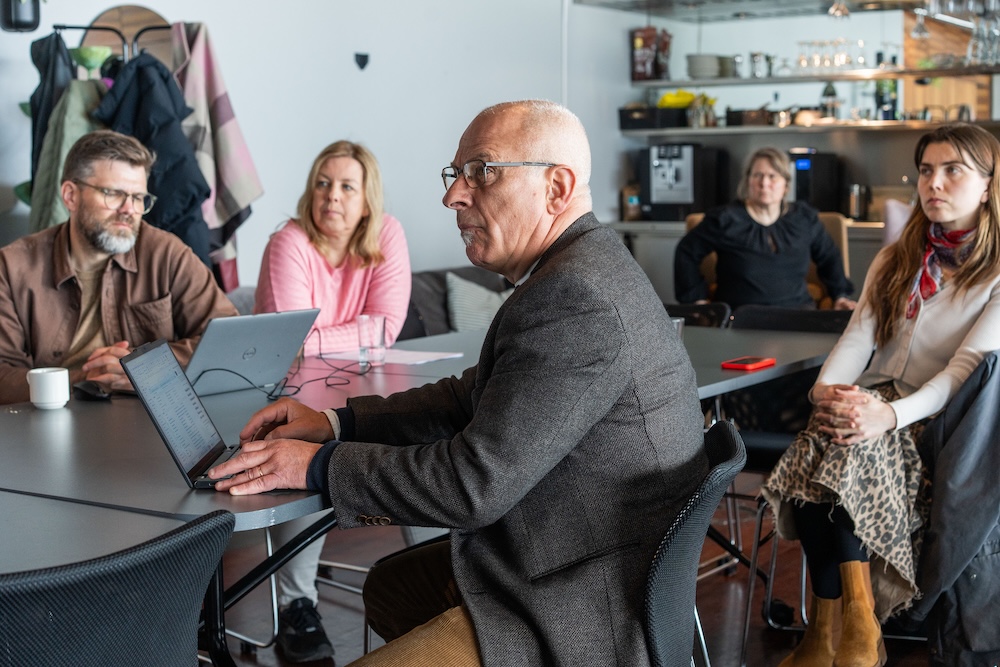
Hafdís Hanna Ægisdóttir, director of the Sustainability Institute at the University of Iceland, chaired the meeting. The first presenter, Kristinn Már Hilmarsson, a sustainability specialist from Festa, delivered an engaging talk on transportation, emissions, and behavioral change. Among other topics, he examined commuting emissions. Because commuting typically represents a minor portion of a company's total emissions, he argued that promoting active travel should be framed not just as a climate action, but also as a way to improve employee health, foster social connections, and save costs. Attendees then brainstormed ways to shift travel habits, generating a variety of ideas.
Images



Green Steps and the tourism sector
Hildur Sif Hreinsdóttir manages the Green Steps program for Reykjavík City operations. She presented program updates and explained how Green Steps now aligns more closely with Reykjavík City's climate goals and the Climate City Contract. She emphasized that environmental work is core business, not a side project. She noted that clear instructions and straightforward messaging are essential to this process. The largest emission cuts can be achieved in three categories: waste management, transportation, and procurement. A performance dashboard helps participants track their progress.
The focus then shifted to tourism as Margrét Wendt from Visit Reykjavík outlined a vision of a sustainable future where tourism leaves a positive impact. This vision includes establishing a sustainability working group modeled on international examples, bringing together industry leaders in sustainability. The group will focus on transportation and waste management. The goal is to identify priority areas and develop an action plan based on those findings.
Can a carbon accounting framework be created for tourism in Reykjavík?
Böðvar Þórisson, a specialist with Reykjavík City, is exploring how to build a carbon accounting framework for tourism in Reykjavík. He presented a promising approach to measure the tourism sector's climate impact, focusing the analysis specifically on emissions within city limits. While tourists typically make up 15-17% of Reykjavík's population at any given time, they account for roughly 20% of the city's total emissions — a disproportionate share driven in part by cruise ships.