Construction of bike paths in Reykjavík for 2026
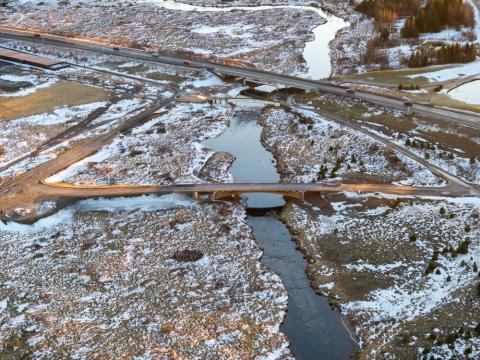
The status of Reykjavík's biking plan was presented to the Environment & Planning Council this week, with data from Reykjavík showing a clear trend toward active travel. The number of cyclists and pedestrians has grown steadily over the past 10 years. This aligns with the City's goal of making transportation more sustainable.
What construction projects are planned for 2026 according to the City's biking plan?
The City plans to begin construction on paths at Suðurfell in Breiðholt, Vínlandsleið in Grafarholt, and in Elliðaárdalur to replace the highway cap. Additionally, work will continue on paths in Skógarhlíð and along Arnarnesvegur in partnership with Transport for the Capital Area.
Construction of dedicated biking paths in the city is expected to total about 4 kilometers in 2026, bringing the total to just over 50 km by year's end.
Suðurfell
The project includes a kilometer-long walking and biking path from Arnarnesvegur to Norðurfell. The path will connect to underpasses beneath Breiðholtsbraut and paths along Arnarnesvegur.
Vínlandsleið
Previously, the only path alongside the street was a sidewalk in areas with buildings. This new path will be about 800 meters long, running from Krókstorg along Vínlandsleið and extending most of the way to Húsasmiðjan. The path will be installed following Veitur Utilities' construction work in the area. In the future, plans call for extending the existing sidewalk along Vínlandsleið to Krókstorg.
Elliðaárdalur
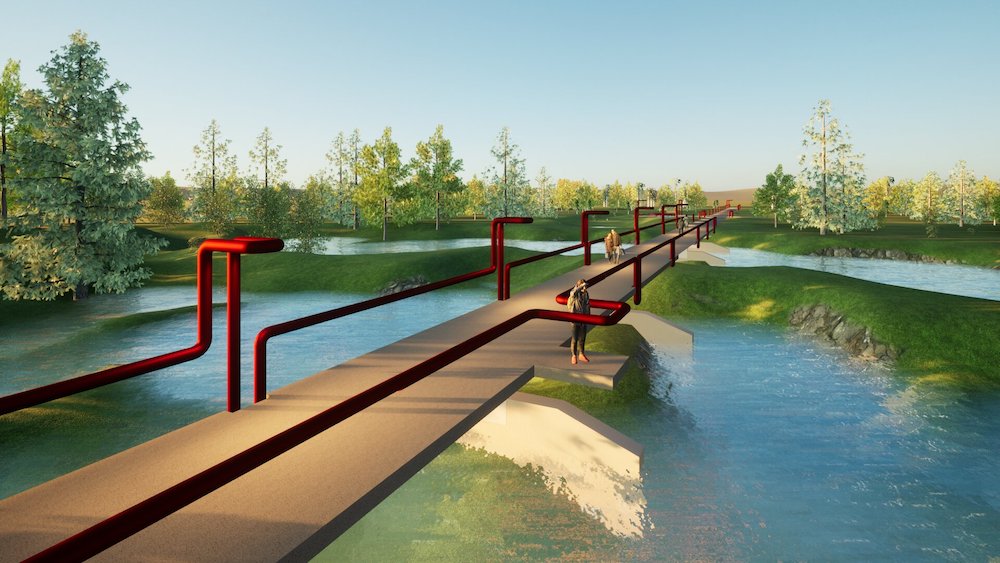
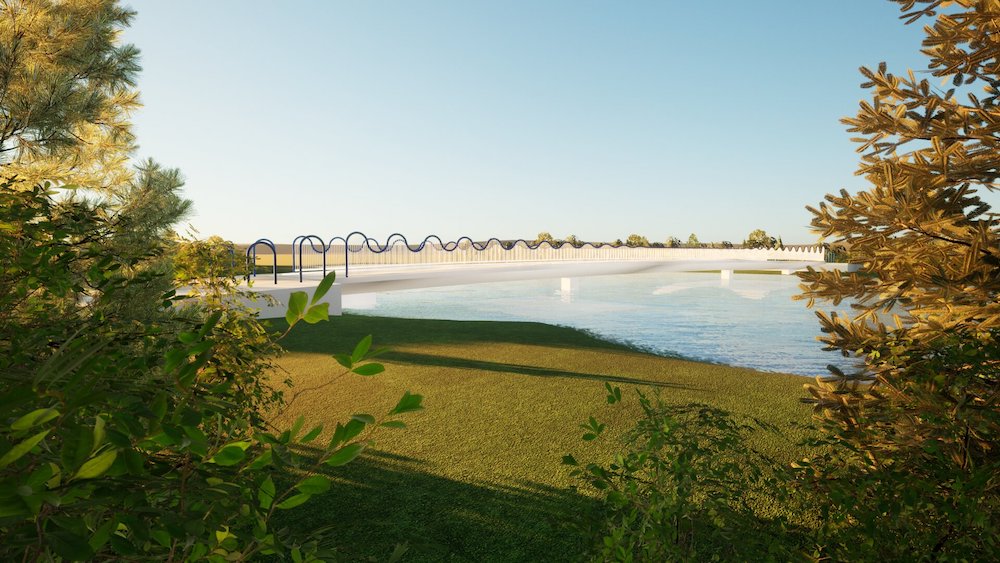
Where the hot water main conduit previously served as a crossing, a new path will be built with three bridges. It will be particularly useful for outdoor recreation in the valley. The design aims to showcase and preserve the history of Veitur Utilities' operations in the area, with construction carried out in partnership with Veitur.
Final work is underway on the bridge over Dimma in Elliðaárdalur, though it has already opened to pedestrians and cyclists. This bridge replaces a utility conduit that served as a pedestrian bridge and had long been an obstacle for pedestrians and cyclists traveling through the valley.
A bridge at Grænagróf in Elliðaárdalur has also opened to pedestrians and cyclists. Work will continue on walking and biking paths alongside Arnarnesvegur between Elliðaárdalur and Rjúpnavegur in Kópavogur, crossing Vatnsendi. The construction at Dimma, Grænagróf, and along Arnarnesvegur is part of the Transportation Charter, developed in partnership with Transport for the Capital Area and the Icelandic Road and Coastal Administration.
Skógarhlíð
Work on the Skógarhlíð path will be completed in 2026. This project extends the biking and walking path on the east side of the street, which will run from Litlahlíð to the path at Miklabraut once completed. This construction is part of the Transportation Charter and carried out in partnership with Transport for the Capital Area.
Other
In addition to the new paths, more bike parking spaces and shelters will be added. For example, a bike shelter is planned at Hlemmur in connection with the CityLine station. Various other projects beyond those listed here are under consideration in accordance with Reykjavík's biking plan.
It's a long process from initial concept to construction that often involves discussions with stakeholders and creating a land-use plan. In coming years, the City will likely focus more on paths within neighborhoods where appropriate, and in connection with the CityLine project, which plans for biking paths alongside dedicated CityLine lanes in most areas. In recent years, the main focus has been on paths separated from vehicle traffic so that cyclists rarely need to cross it. This has created a connected network of bike routes over long distances.
There are already nearly 50 km of dedicated biking paths within Reykjavík and even more quality bike routes throughout the city, which has resulted in increased cycling — in fact, ridership has multiplied. The focus will remain on improving the connectivity of the bike path network.