
Reviving the Icelandic Model
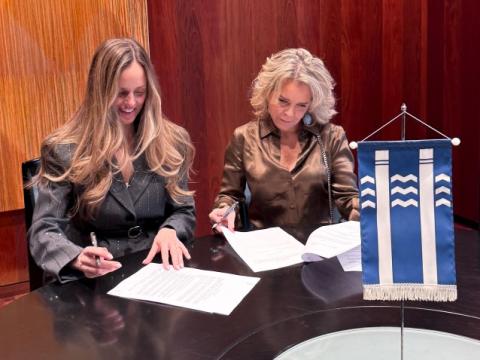
Mayor Hildur Björnsdóttir and Inga Dóra Sigfúsdóttir, founder of Ráðgjöf og greining, signed a letter of intent yesterday to revive the Icelandic Model.
Developed a quarter century ago through collaboration among researchers, municipalities, youth workers, schools, parents, and the sports movement, the Icelandic Model is among the most successful preventative work programs known internationally.
Yesterday's letter of intent calls for a service agreement with Rannsóknir og greining (R&G) to carry out the project's first phase in Reykjavík City primary schools in 2026, drawing in part on data from the Icelandic Youth Survey. The agreement also proposes tasking the Department of Education and Youth with working alongside R&G to develop a comprehensive proposal for continuing the project through 2027–2029.
A project for the prosperity of children and young people
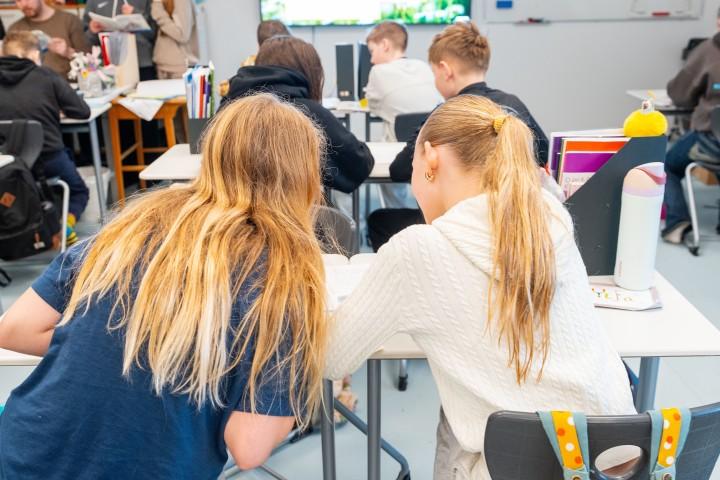
Much is going well in Reykjavík, but there are signs of increasing risk behavior among young people. It is therefore crucial to pursue a focused revival of this vital preventative work, which experience shows can deliver meaningful results for the prosperity of children and young people. Implementation begins this fall, with the program expected to reach full capacity during the 2027–2028 school year.
A focused revival of preventative work
The share of grade 10 students who had been drunk, for example, fell from 42% in 1998 to around 5% in 2016. These results have drawn wide attention, making the model a template for preventative work around the world. Regular data gathering on the situation and well-being of young people forms the core of the model, with findings shared quickly and accessibly with schools, parents, youth centers, sports clubs, and others providing services to children and young people.
Stakeholders use this foundation to set goals, develop actions, follow through consistently, and apply the results to the ongoing development of the work. The program also emphasizes reducing risk behavior by channeling children and young people into constructive activities.
Mayor Hildur Björnsdóttir welcomes this development.
Relying on data and putting forward targeted actions is key to achieving results in preventative work. That is how we improve the well-being of children and young people in our city.
