New supported apartment cluster for disabled people opens in Vesturbær
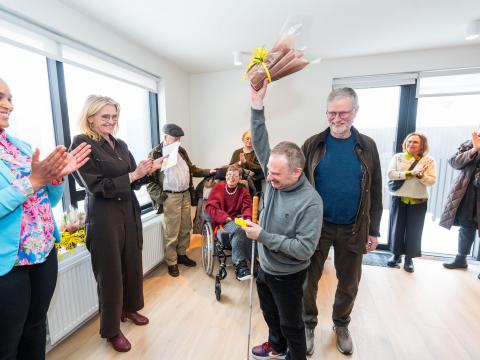
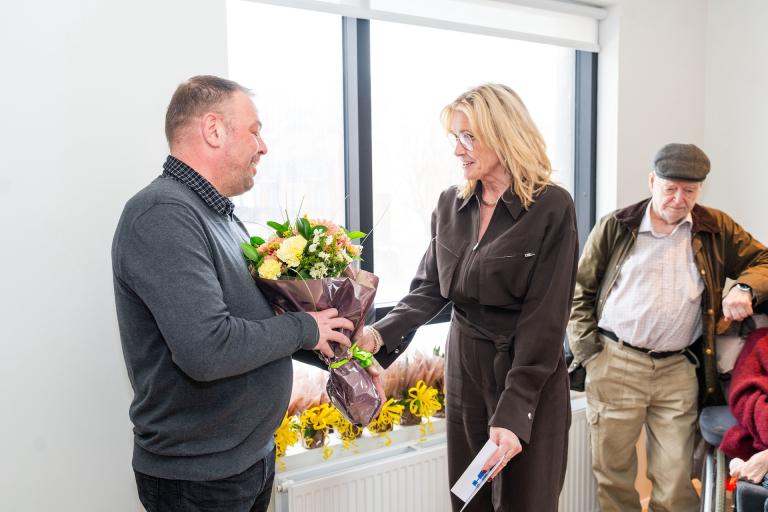
Residents, family members, Reykjavík City Department of Welfare staff, and elected representatives gathered yesterday to celebrate the opening of a new supported apartment cluster at Sólvallagata 79. The mayor and the chair of the Welfare Council presented residents with keys to their new homes and a potted daffodil.
Most people moving to Sólvallagata previously lived in shared group homes elsewhere in the city. Three shared group homes will close as this new supported apartment cluster opens. Providing disabled people with homes of their own rather than spaces in a shared group home reflects a broader shift in field priorities, aligning with the Act on Services for Disabled People and the United Nations Convention on the Rights of Persons with Disabilities, which Iceland has ratified. Article 19 of the convention addresses the right to independent living, and living in one's own home is central to that right.
Significant growth in supported apartment clusters in recent years
In partnership with Félagsbústaðir Social Housing, Reykjavík City has opened 21 new supported apartment clusters since 2018. During this same period, the city has gradually phased out shared group homes.
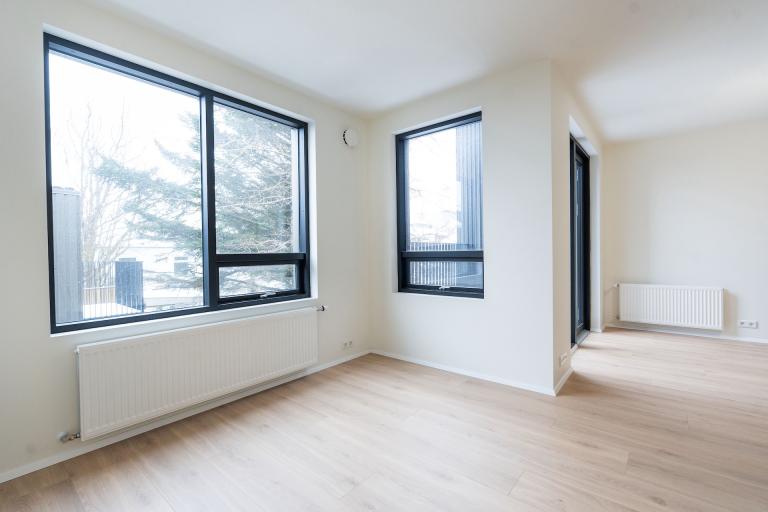
Having a home of one's own is a meaningful step toward independent living—one with vital human rights implications. Residents in shared group homes typically live alongside people they do not know, with limited personal space—they have private bedrooms but share bathrooms, kitchens, living rooms, and other common areas.
Support for independent living
Residents at supported apartment clusters receive support from a director and other staff as they build independent lives in their own homes. Everyone living in housing for disabled people managed by the Department of Welfare plays an active role in shaping their individual plan. Residents consult with staff to define the specific support they want to receive. The goal is to meet each person's unique needs and wishes. This may involve practical decisions about help with cooking or cleaning, but support also carries a social dimension—one equally vital for preventing isolation among people living independently.