Cyclists permitted to ride against traffic on one-way streets in old Vesturbær
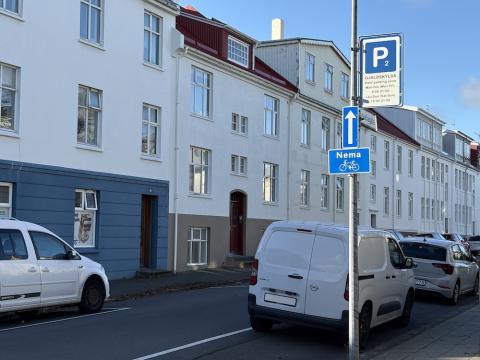
Cyclists will be permitted to ride against traffic on one-way streets within a designated area of old Vesturbær. This change is part of a broader effort to improve connections in the city's bike network, making safe and efficient travel easier for residents and other road users. The Environment & Planning Council of Reykjavík City approved the proposal at its meeting this morning.
The update applies to streets within the area bordered by Hringbraut, Ánanaust, Mýrargata, Garðastræti, Túngata, and Hofsvallagata. Cyclists may ride against traffic on the following streets: Ásvallagata, Bárugata, Hávallagata, Holtsgata, Hrannarstígur, Norðurstígur, Nýlendugata, Ránargata, Seljavegur, Sólvallagata, Túngata, Vesturgata, Vesturvallagata, and Öldugata.
Safety first
Appropriate traffic signs and road markings will indicate these changes where applicable. The proposal's supporting report notes that streets in dense neighborhoods play a vital role in the city's bike network, frequently forcing cyclists to use sidewalks to reach their destinations.
Reykjavík City commissioned the engineering firm Efla to analyze international benchmarks and the conditions required to permit biking against one-way traffic. The findings show that this setup is safe and can, under the right conditions, actually boost cyclist visibility and reduce accidents.
Key requirements include a low speed limit of 30 km/h or less and low vehicle traffic volumes on these one-way streets. Vehicle volumes on one-way streets in Reykjavík fall well within European benchmarks of about 4,000 vehicles per day, typically staying below 3,000.
Experience from Reykjavík and abroad
Cycling against one-way traffic is already permitted on three streets in Reykjavík, following a 2023 approval for Bjarkargata, Tjarnargata, and part of Ásvallagata. This experience has been largely positive, showing no signs of increased accident rates.
Similar steps have proven effective in many European countries—including Belgium, the Netherlands, and Denmark—shortening routes for cyclists while improving overall traffic safety. Research from Brussels, Vienna, and other cities suggests accident rates remain stable or even decrease when two-way cycling is allowed on quiet residential streets.
A phased rollout
This approval serves as the first step in a broader rollout of contraflow cycling across the city. The update will take effect as soon as crews install the appropriate traffic signs. Officials will closely monitor the impact on traffic safety and street use, taking further action if needed. Planners will pay special attention to maintaining clear signage and adequate sightlines for all road users.
The proposal has received consent from the capital area police, as the Traffic Act requires.