
New sex education handbook focuses on inclusion and diversity
With a grant from the Reykjavík School & Recreation Council's development and innovation fund, work has begun on a new sex education handbook called "Kynverund og kúltúr” (Sexuality and Culture). The project is being developed in partnership with Fellaskóli, youth center 111, the University of Iceland's School of Education, and specialists in inclusion and prejudice.
Teaching materials for a diverse society
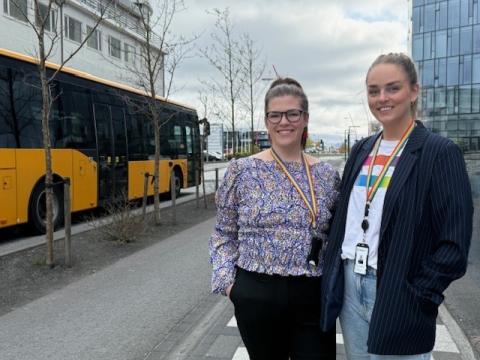
Project managers from the Department of Education & Youth's Gender Equality Academy will oversee the project, which is just beginning. The goal is to develop teaching materials that account for the diverse language and cultural backgrounds of children and young people in Icelandic schools.
According to project managers Maríanna Guðbergsdóttir and Indíana Rós Ægisdóttir, the need is urgent. About 30% of primary school children in Iceland have diverse cultural and language backgrounds. They say traditional sex education often fails to reach all students, whether due to cultural attitudes, language barriers or misunderstandings. This can create insecurity and exclude children from education they have a right to receive.
"We want to bridge these gaps,“ says Maríanna. "If the education doesn't match children's experiences and values, they struggle to connect with the material. This handbook will help staff create learning experiences that both respect students' backgrounds and strengthen their self-image."
"If the education doesn't match children's experiences and values, they struggle to connect with the material."
Response to calls from schools
The handbook will be digital and accessible to everyone, with the ability to update regularly as new knowledge emerges. It will include education about different cultural groups, case studies and practical guidance for teachers and recreational activity staff. The focus is on consulting with professionals and service users during the development process to ensure the material is genuinely useful.
The project also responds to calls from the field for improved sex education materials and staff training. Such calls emerged in a working group report from the Ministry of Education and Children on targeted teaching in sexual health and violence prevention.
Everyone needs to feel they matter
"We want more students to receive sex education they can relate to," says Indíana. "The goal is to create safe spaces where all children get opportunities to understand their own rights and sexuality. This isn't about avoiding sensitive topics, but about making education more accessible and genuinely inclusive."
Finally, they stress that inclusion isn't just about everyone being included – but about everyone feeling they matter. "We need to acknowledge our diversity and our history,“ says Maríanna. "For example, some young people might grow up with shame related to sexuality, like stories of the so-called 'ástandsstúlkur' (women who associated with soldiers during the second world war). If we acknowledge such history and its impact, we can better reach students and make education meaningful."
