
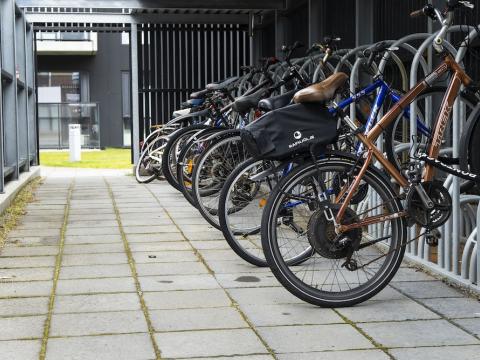
A working group's report on preventing bicycle theft was presented to the Reykjavík City Environment & Planning Council on Wednesday, April 3. The working group has proposed nine potential actions. The estimated cost of these actions is roughly 55–90 million króna. The next step is a closer review of the proposals, though some are straightforward enough to implement immediately. Other proposals are already underway as part of the Reykjavík Biking Plan 2021–2025, which includes a specific action item on exploring ways to reduce bicycle theft.
The working group was active from November to mid-December 2023, meeting with representatives from nine stakeholders. These consultations helped form a network of representatives who see the value of closer collaboration on reducing bicycle theft.
The group examined bicycle theft from multiple angles, including identifying where action is most needed, analyzing theft data by neighborhood, and reviewing insurance payouts over the years. The group also researched approaches used in other countries, where the primary emphasis has been on prevention.
Stakeholders involved in the work:
- Reykjavík City's VoR Team (the Outreach and Advisory Team, which supports people experiencing homelessness and dealing with substance use or mental health challenges)
- Reiðhjólaskrá.is
- Bicycle retailers
- LHM / Reiðhjólabændur
- Directorate of Customs
- Consumer Association of Iceland
- Reykjavík Metropolitan Police
- Insurance companies
- Icelandic Transport Authority
Proposed measures:
- Providing bicycle shelters at residential buildings that lack dedicated storage.
- Installing and operating bicycle lockers in the city center for residents who lack adequate storage at home.
- Adding more bicycle parking at City institutions and businesses.
- Launching a public awareness campaign on using locks correctly to deter theft.
- Encouraging insurance companies to increase their prevention education. This includes proactively informing customers about risks and practical steps for reducing the likelihood of theft.
- Bicycle registry.
- Providing bicycle storage facilities and no-cost bicycle access for people experiencing homelessness or struggling with addiction.
- Increasing customs oversight of container exports that may contain stolen bicycles leaving the country.
- Partnering with bicycle retailers and other parties to register bicycles in a database at the point of sale.
This is not an exhaustive list of all possible measures or related future projects.
