
Consultation opens on Reykjavík's preschool initiative
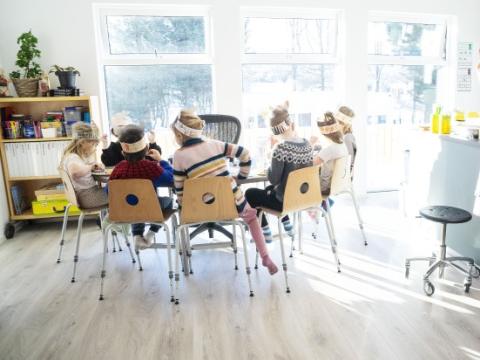
The Consultation Portal for proposals to improve conditions at preschools in Reykjavík opened today, Wednesday, Oct. 15. Feedback and proposals for changes can be submitted over the next two weeks, through Oct. 29.
The proposals now under consultation are based on the preliminary findings from the steering group for the Preschool Initiative in Reykjavík. The steering group is still active and has shared proposals that address children's hours of stay, changes to scheduling, and a new fee schedule. The Consultation Portal will remain open for two weeks, until Oct. 29.
Through the Consultation Portal, the public can submit feedback, recommend changes, and share their opinions on the proposals, helping to shape conditions in the city's preschools.
Key changes in the proposals include a predictable schedule for optional care days and a new fee schedule that creates incentives to keep children's hours of stay closer to 38 hours per week, to better align with preschool staff working hours. Additionally, the proposal includes a 25% discount on tuition if children are not registered for care after 2 p.m. on Fridays.
Proposed fee schedule - calculator
One way to better align staff working hours with children's hours of stay is for parents to register in advance whether they plan to use preschool services on optional care days, during primary school winter breaks, on weekdays between Christmas and New Year, and during the week leading up to Easter. The proposal would require parents to register their children for the entire school year in September, making it easier for preschool directors to plan staffing for the year ahead.
Under the proposal, the fee for each optional care day would be set at 4,000 króna. If a family uses no optional care days during the school year, their tuition for May will be waived entirely.
These proposed changes are designed to improve working conditions, enhance professional standards, and make preschool operations more predictable. Officials hope that improved working conditions combined with new collective wage agreements will boost staffing levels, increase the percentage of certified staff in preschools and mostly prevent unexpected closures due to understaffing, which have created hardships for families.